Presenting Befriending China: People-to-People Peacemaking
Solidarity Publications ISBNs: paperback 979-8-9925306-7-4;Epub 979-8-9925306-9-8; Audio 979-8-9907255-8-4

Befriending China:
People-To-People Peacemaking
What people are saying about Befriending China:

Get the Audio Book of Befriending China for $10 at Amplify, and we’ll email the Ebook to you FREE!
Or subscribe to Dee Knight’s Patreon site, and receive signed copies of my paperbacks!
(This is the link for my Patreon site:  Get more from Dee Knight’s books, notes and chats on Patreon )
“Readers will get a clear picture of what modern life in China is actually like, why the people of China overwhelmingly support their socialist system, and the many ways the world can benefit from the vision of peace and shared prosperity that China offers.
“Dee Knight brings a wealth of experience to bear in his analysis of the US government’s increasingly erratic and hypocritical warmongering against China. Instead of bullying and antagonizing China, Knight argues, the West should embrace it.”
—Kyle Ferrana, author of Why the World Needs China
Befriending China, is a joy to read. Knight combines both personal experience traveling and talking to people in China with extensive research about China. The reader gets facts and first-hand observations in a fluid, easy-to-read style that answers many common questions readers may have about China. Why should we Befriend China rather than seeking conflict? Because both our nations can win a positive future together, as this book makes abundantly clear.”
—Michael Wong, co-founder of Pivot To Peace, and board member, Veterans For Peace
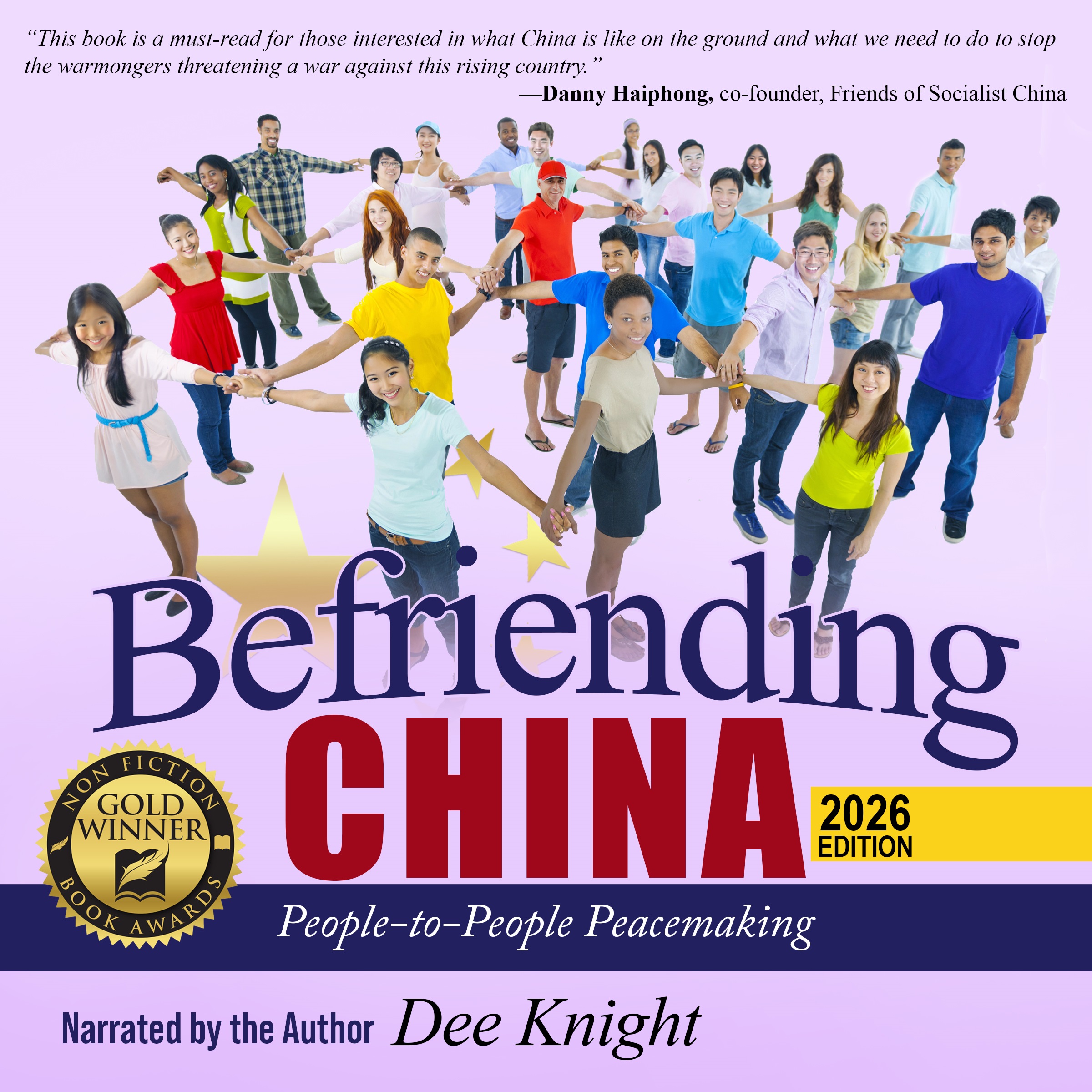
Befriending China
$10.00
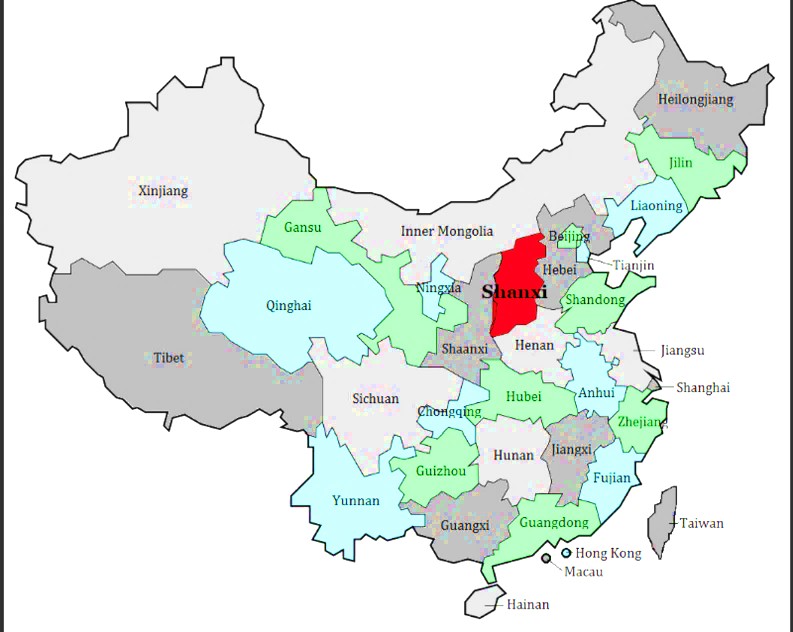
Befriending China tells the story of China’s current effort to “open up” to a flood of visitors, as part of a campaign of “People-To-People Peacemaking.” The story is partially based on three visits to China from late 2023 through late 2024. It describes the impressive achievements China has made in infrastructure, education, health care, and poverty alleviation. It includes an in-depth eye-witness account of visiting Xinjiang, debunking official rumors in the US of abuse of the Uyghur population there. It also highlights exciting tourism opportunities, with closeup looks at the mountainous Guizhou and Shanxi provinces, and the amazing “megacities” of Shanghai, Beijing, Chongqing, Hangzhou and Suzhou. It includes a preface by Carlos Martinez, editor of the Friends of Socialist China website. It also examines China’s democratic system, and its successful foreign policy based on common prosperity and a shared future. Finally, it details ongoing US efforts to slander China and prepare for war against it, arguing that China is not our enemy.
About the Author
Dee Knight serves on the Advisory Council of the Friends of Socialist China (FOSC); also on the China Working Group of the International Committee of the Democratic Socialists of America (DSA). He was an editor of Amex-Canada, published by US war resister exiles in Canada, from 1968 to 1974, and a board member of the National Council for Universal Unconditional Amnesty, from 1973 to 1976. He was a publishing consultant for the United Nations Development Programme from 1991 to 1996; and worked for Nicaragua’s Sandinista newspaper, Barricada, from 1987 to 1990. Other work by Dee Knight can be found at DeeKnight.blog, and RealPathToPeace.com.
From the Introduction to Befriending China: People-to-People Peacemaking
From the Introduction to
Befriending China: People-to-People Peacemaking
China wants more friends, even though it already has many — mostly among non-Western people… They are welcomed with open arms when coming for business or conferences or study, or just to see for themselves how China has developed and prospered in recent decades.
The Chinese government wants to host 50,000 US students for study and exchange over the next 5 years, as part of an effort to “boost people-to-people exchanges, especially among young people.” They’re offering scholarships which can be found online. These young people often stay in China for a few extra years, to develop their Chinese language skills, and sometimes working as English teachers or freelance journalists.
I tell of the giant cities and small villages, mountains even more beautiful than where I grew up in eastern Oregon, lush farm lands, seaports and river ports, and endless tourist attractions. I was fascinated by the mountains, rivers and forests of Guizhou, as well as its new bridges — among the highest in the world, where tourists can go paragliding. Also the giant megacities of Chongqing (with literally thousands of bridges), Beijing, Shanghai, Wuhan, Guangzhou, Chengdu, Xi’an, Souzhou, Hangzhou, and so on.
You can take a YouTube walk through Chongqing with Daniel Dumbrill and Ben Norton. These long-term North American residents and analysts provide a close-up of one of Chongqing’s less-traveled neighborhoods, while discussing the switch from TikTok to “Red Note” — an amazing transition that proves it impossible to suppress western young people’s curiosity and interest in China.
The lesson? “Come visit,” Daniel says. You’ll find food costs about one-seventh of its price in the US. Riding a subway costs about 50 cents. As for safety, Daniel says you can leave something on a table or public place, come back 15 minutes or an hour later and find it unmolested. The video shows them strolling through an art- and graffiti-filled neighborhood reminiscent of the Haight-Ashbury neighborhood in San Francisco during the 1960s and ‘70s.
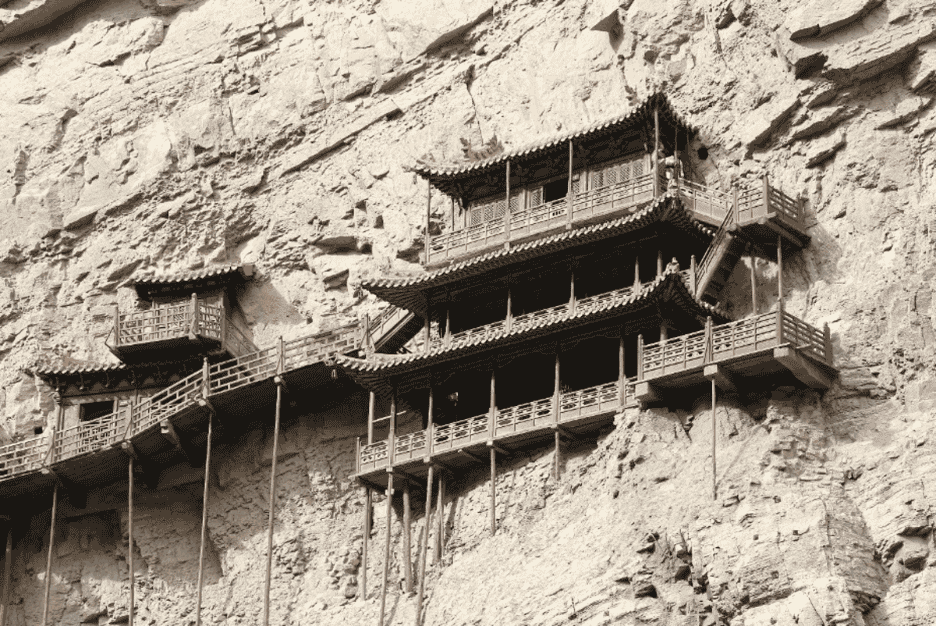
I tell about climbing part-way up The Great Wall, and the all the way to the top of a Buddhist temple perched at 3000 feet up on the side of a cliff. About 15 percent of Chinese are practicing Buddhists – so much for religious suppression in China!
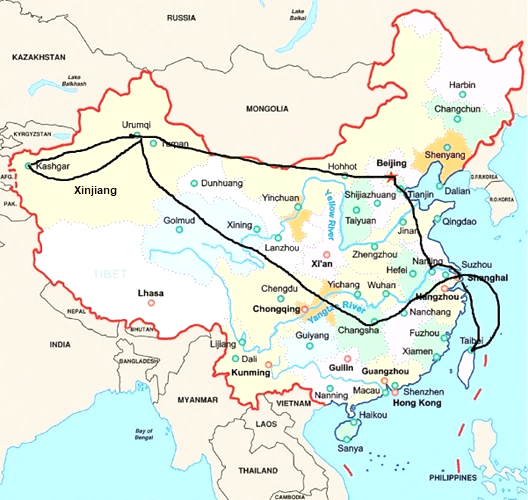
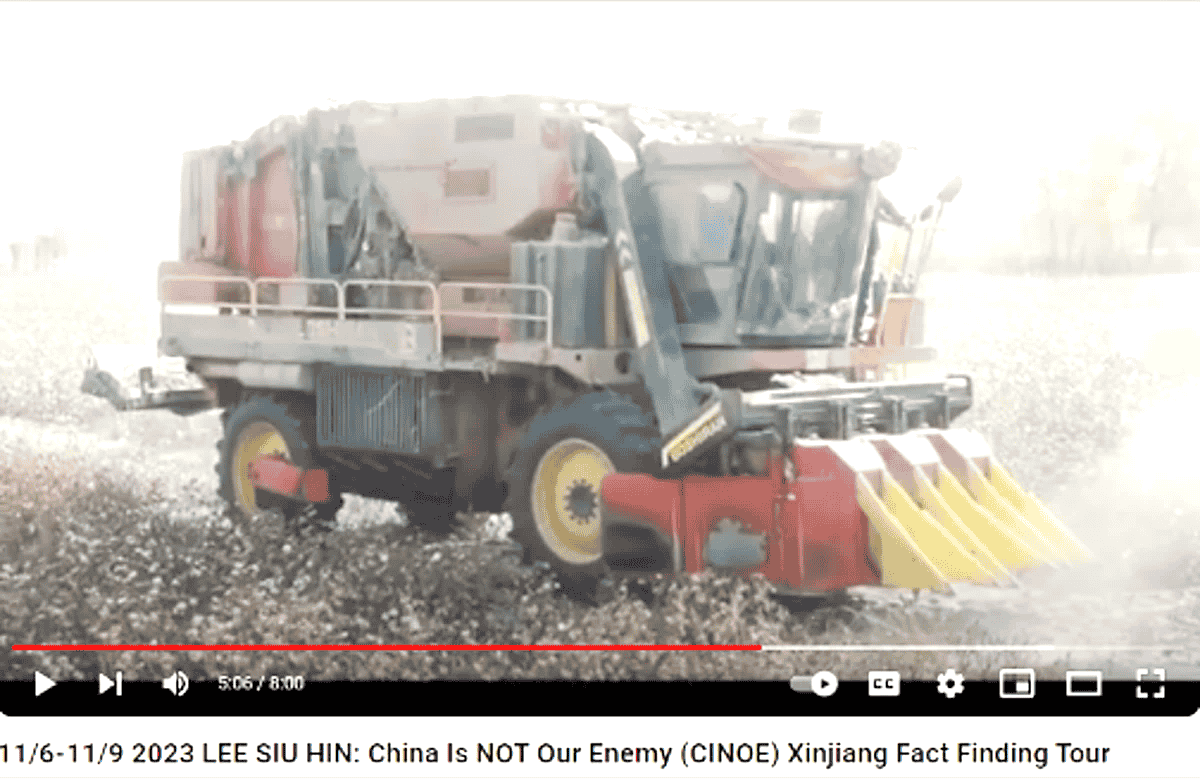
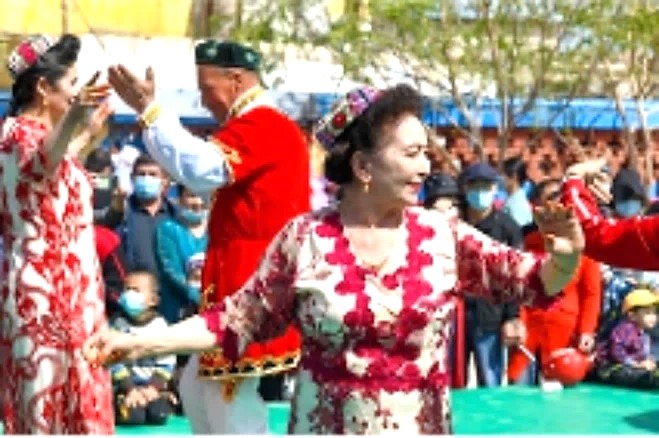
We also traveled to Xinjiang, which is slandered as a site of “slavery” and “genocide.” We found people literally dancing in the streets, after working in Urumqi’s giant bazaar, or in the cotton fields and big farms and oil fields in this burgeoning province. The cotton harvest was in full swing at the time, using US-built mechanical harvesters, along with small clean-up crews of contract laborers on the edges of the fields.
I also found people dancing in the streets in Beijing, on a hot summer night, while strolling along enjoying an ice cream cone I bought from a vendor. Beijing recently has become a nice place for a casual walk — a welcome change from several years of unpleasant pollution that had many people seriously worried for their health. China’s industrialization boom has largely used fossil fuels — coal, oil and gas. During the intense decades of development, people had to walk around with masks. But since the 2008 Olympics, and even more so since 2012, “green development” and “quality development” are the watchwords. The Chinese government has committed to getting the country off fossil fuels very soon.
What About Chinese Police?
So what about police? Back in New York, one person cautioned me not to get arrested: be careful! I doubt he was basing his worries on experience in China, but rather on a widely held notion of a super-repressive police state where you risk getting arrested for jaywalking or denouncing injustice. In New York, of course, we jaywalk whenever and wherever we want, without fear of arrest (except for “walking while Black”).
We barely saw any police in Shanghai or Beijing, and only a few more in Xinjiang, despite continued concerns of possible unrest there, as I explain in a separate chapter, “Eyewitness Xinjiang.” Our guide told us a large crowd of police showed up to monitor Halloween activities in Shanghai. But nothing happened.
Ben Norton and Daniel Dumbrill chatted on YouTube about Chinese police. Ben said “I’ve seen people — especially older people — arguing with police all the time. It’s so funny, because I come from the US, where everyone’s afraid of police, especially people of color. They would never yell at a police officer! In China it’s so funny seeing all these grandmas yelling at the police. And the police are calming them down. The police don’t have any guns.”
China is among the countries with the lowest murder rate, fewest gun-related crimes, and lowest offense rate in the world, according to a January 2025 report by China Academy. In 2023 it ranked third in the global security index, with 90 percent of respondents feeling safe walking alone at night. China has only twelve police officers for every 10,000 people, less than half the global average of 25 officers per 10,000 people — and about one sixth of the number in the US.
Here’s a bit more about Xinjiang:
Xinjiang is full of surprises — mostly very pleasant. After a five-hour flight from Beijing, Urumqi, the capital, appears like a valley oasis emerging as the rugged and craggy Tianshan mountains loom nearby. This city of 4 million (of whom about 45 percent are Uyghurs, smaller percentages are Hui and Khazak, and about 42 percent are Han), is a market center serving as a portal to Central Asia on the western edge of China’s famous Belt and Road. It buzzes with activity, especially near the wholesale markets where traders come to order all kinds of consumer products, either from local artisans or from China’s manufacturing centers in the east and southeast of the country.
While shopping for beautiful silk scarves in the main bazaar, we were served by a 21-year-old Uyghur woman who spoke near-perfect English. She told us she learned it in a 10-month course in a government-sponsored training center. The training gave her the skills to earn a living in the bazaar, where other members of her family also work.
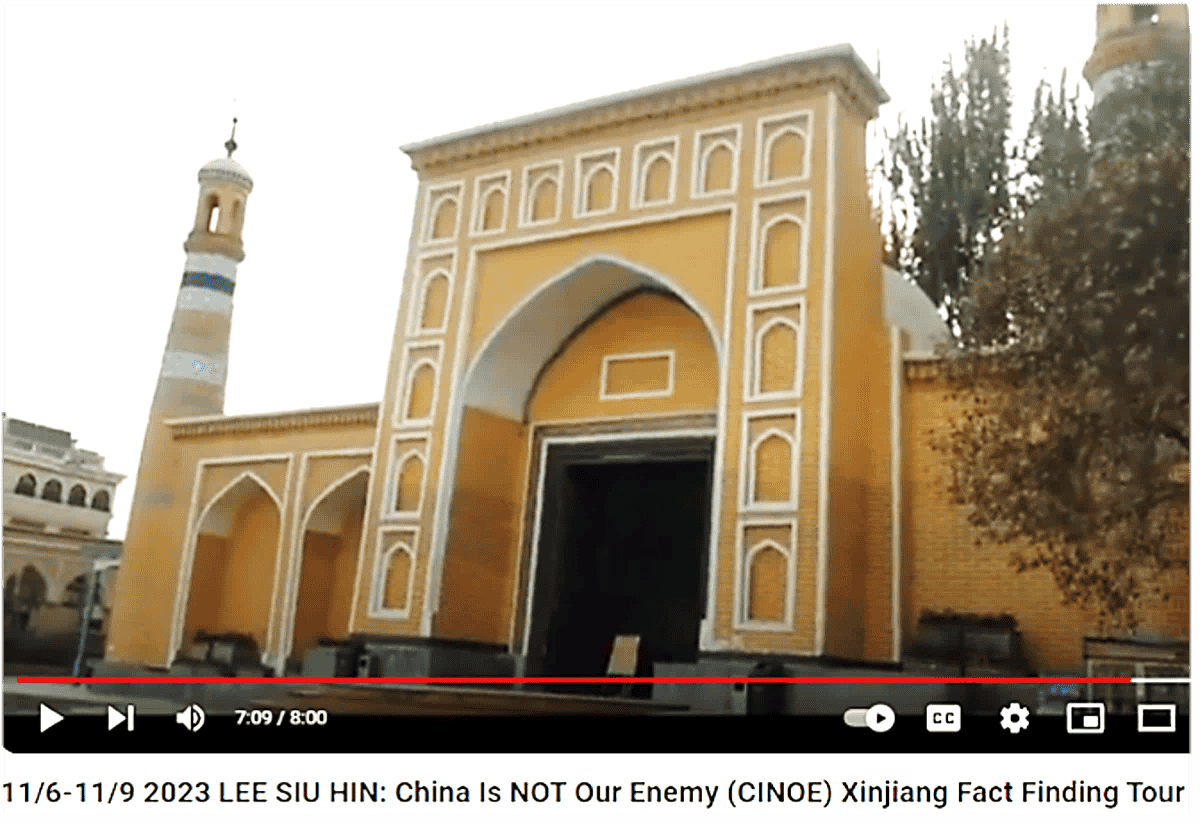
We noticed Uyghurs and Han Chinese mixing, mingling and melding nonchalantly while shopping and doing business. Street signs and advertisements typically appeared in both Chinese characters and Arabic script. On the street, we noticed there are small police stations at many major intersections, and we even saw deployments of military guards at two locations. Our guide said this level of security has been in place since the outbreaks of violence in 2009. Our sense was that the sentinels had very little to do.
After shopping we were treated to a brilliant dance performance by a group of young Uyghur women and men, who invited us to join them. We now have a video of my wife, Consuelo, dancing with the Uyghurs. We then wandered through the bazaar to choose among a dozen tempting options for a typical Uyghur cuisine of shishkabob, nang bread and a delicious, spicy stew of chicken, potatoes and other vegetables.
Following dinner we wandered along the line of restaurants till we found the public washroom — apparently a staple in most large Chinese cities, as we noticed the same in Shanghai and Beijing. Very clean and well attended by uniformed staff, the washroom has women’s and men’s sides with a line of about eight discreet stalls each, and a unisex handwashing section in the front.
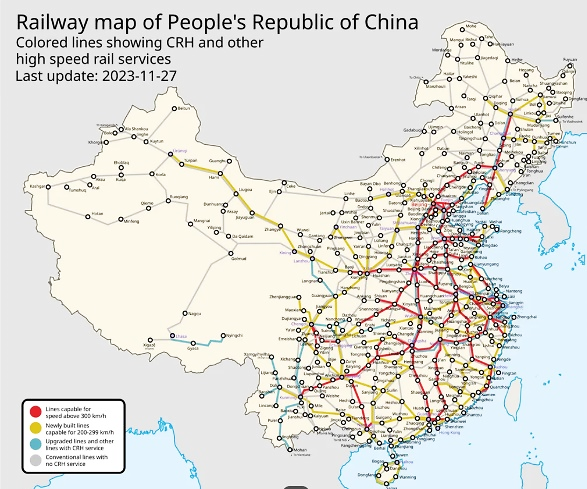
We took the metro subway just for the experience. About 20 years old, it has escalators at both ends, and ultra-clean marble floors. The train cars are the same as in Shanghai and Beijing — very clean and remarkably quiet. Moving barriers made of heavy glass shield passengers as trains enter and leave the station. A soft voice announces each stop, which is also shown on a lighted map inside the car. 47 major Chinese cities have metro subway systems.
I could go on almost indefinitely, but let me show you the TOC of Befriending China:
TABLE OF CONTENTS
Preface by Carlos Martinez, of Friends of Socialist China
Introduction: Eye Poppers and Lie Stoppers: Seeing Is Believing
- China’s Opening Up for People-to-People Tourism
- China: A Source of Hope, Not Fear
- Traveling to Prove China Is Not Our Enemy
- Eyewitness Xinjiang
- The Buzz of Beijing: Anti-fascist Resistance Then and Now
- Leadership Was the Key in China’s Targeted Poverty Alleviation Campaign
- Why the World Needs China
- How Does China Do It?
- Democracy and Human Rights: China vs. USA
- Can We Avoid War with China, and Save the Planet Instead?
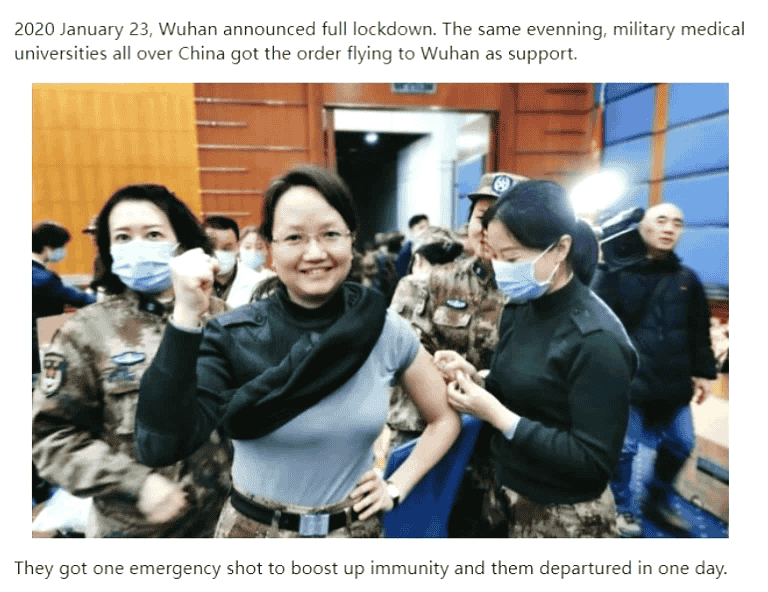
- China’s Zero-Covid: “Breaking a Social Contract” or Keeping a Promise?
- US Saber-Rattling Threatens WWIII with China and Russia
- War Bucks Prevent Peace in Ukraine, Gaza & China
- A Tale of Two Summits
- Is the US War Machine Stoppable?
- Opposition Grows to US Bases Poised Against China
- Asian Americans & Peace Allies Mobilize vs. Anti-China Aggression
- Virtual Summit: “Low Expectations” and “Lower Temperature,” but “No Illusions”
- Why Is the US Paranoid about China’s Role in Africa?
- American Exceptionalism and Exceptionism
- Why Is the US Paranoid about China’s Role in Africa?
- American Exceptionalism and Exceptionism
Conclusion: Befriending China Means Defending China…
We Can Do This!
Afterword: A poetic tribute to China’s “revolutionary generation” from today’s youth.
The following photos appear in the paperback and Ebook versions of Befriending China
Audible befriending China-2026 w Award

Chapter 1 (2nd image)
Chapter 1
Chapter 1 (3rd image)

Chapter 1 (4th image)
Chapter 3 (front)

Chapter 3 (2nd image)
Chapter 3 (3rd image)
Chapter 3 (4th image)
Chapter 4 (1st image)
Chapter 4 (2nd image)
Chapter 6 (1st image)
Chapter 6 (2nd image)
Chapter 7 (3rd image)

Chapter 9 (1st image)

Chapter 13 (front)
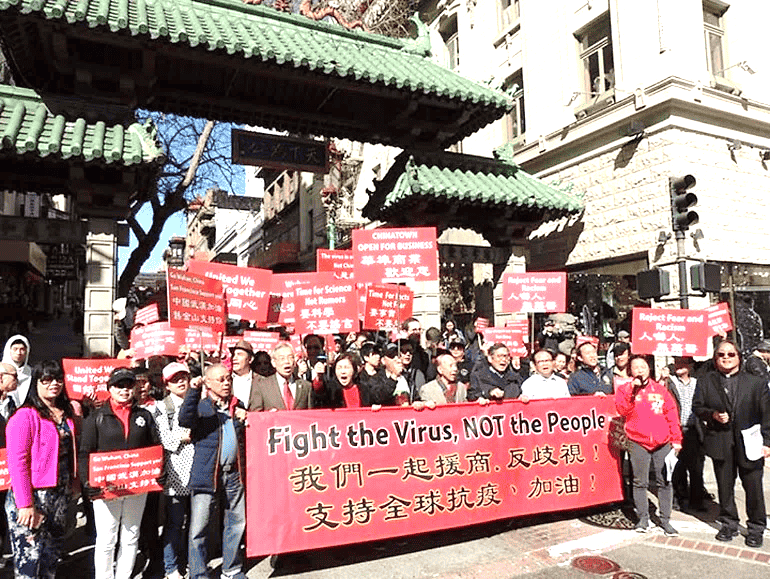
Chapter 15
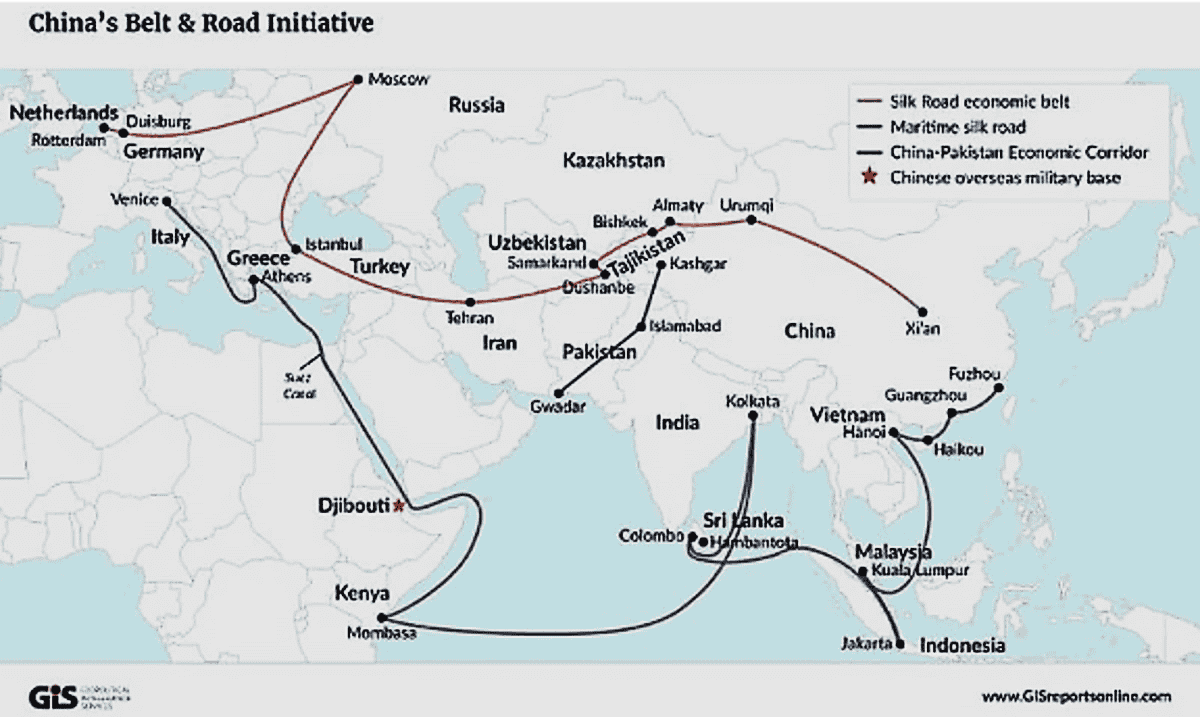
Chapter 17
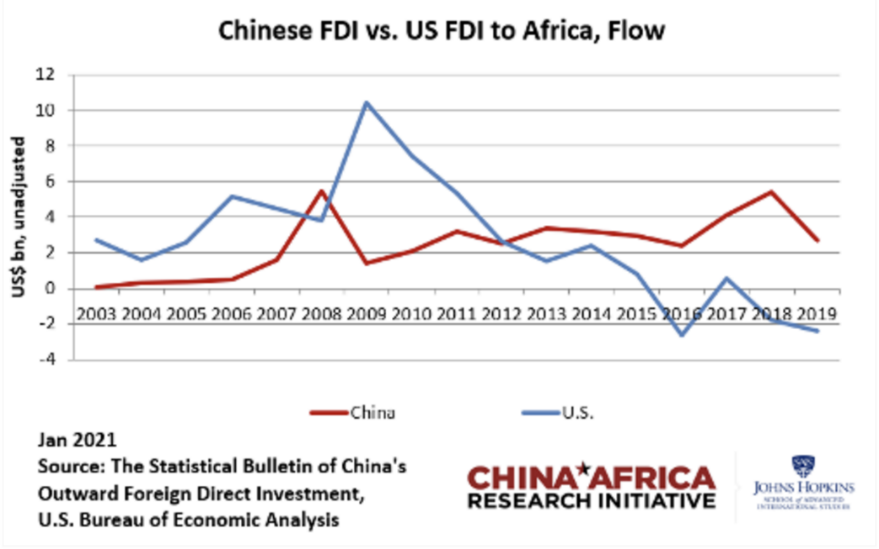
Chapter 17 (2nd image)
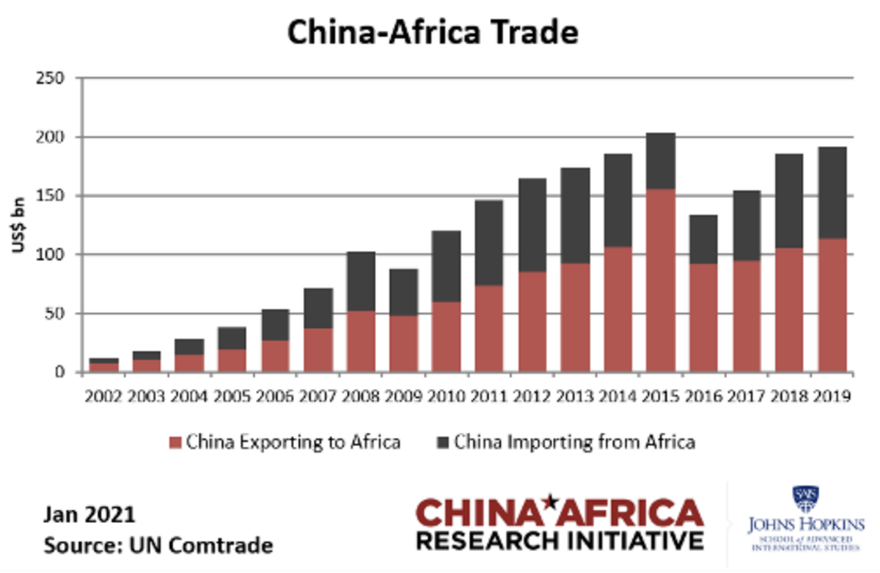
Chapter 18 (3rd image)
Chapter 18 (4th image)