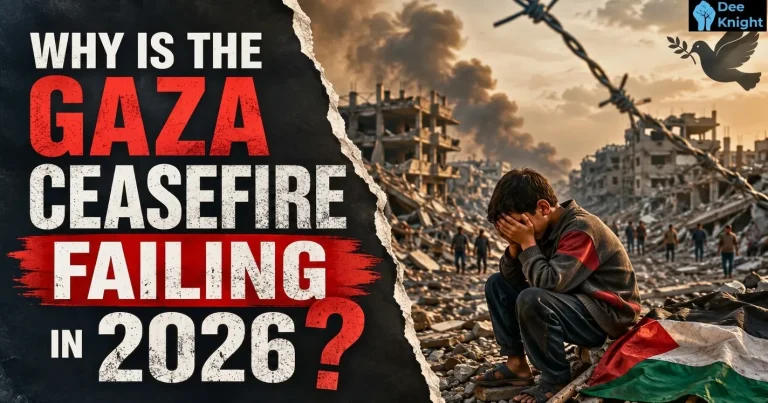
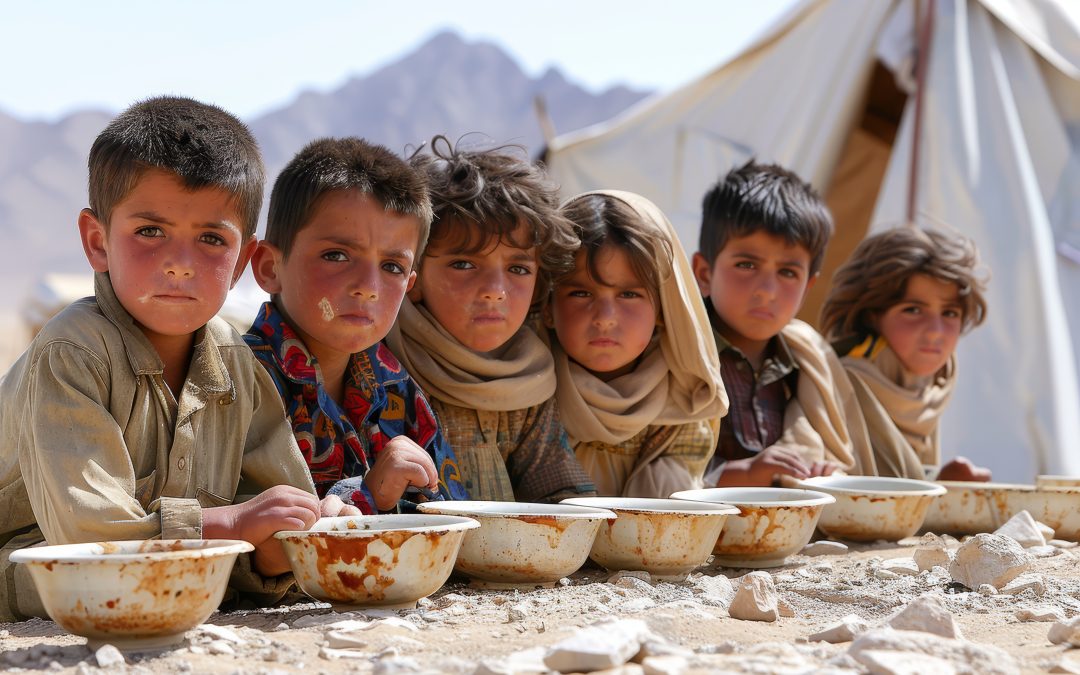
Dee Knight’s Blog shares stories about peace, justice, and fairness. The Gaza famine is one of the saddest events today. Millions of Palestinians cannot get enough food, water, or medicine because of Israel’s blockade. Families go to bed hungry. Children have no clean water. Hospitals struggle to treat patients. This is not just news—it is a real human crisis that affects lives every day.
Why This War Happens
Man, the Israel-Palestine mess has been dragging on forever, right? It’s not just politics—land, power, just basic human rights, all tangled up in there. Gaza’s basically a pressure cooker, crammed with more than two million people, and they’ve been boxed in since 2007. The blockade? Supposed to be about security, or so the official story goes. But honestly, it’s the regular folks who get slammed hardest. Always seems to be the case.
Every day, families cannot access food or medicine. Schools often close because resources are too low. Bombs are falling like rain, and the only defense attorney is the luck that those being bombed bump into.
For more details, visit the Gaza Famine category page.
How People Are Affected
Starvation in Gaza is not an accident. Aid trucks are blocked, farms destroyed, and fishing stopped. Families who once farmed or sold goods cannot feed themselves. Bread and water are scarce. Many families spend hours in line just to get a little food.
Thousands, especially children, are at risk of dying from hunger. Hospitals are full. Doctors try to help, but they have very little medicine and equipment. People live in crowded homes with no space to stay safe.
Children in Gaza
More than half of Gaza’s population are children under 18. They did not choose this war, yet they suffer the most. Many are very weak. They are scared, hungry, and confused.
This struggle is similar to stories in My Whirlwind Lives, showing how ordinary people’s lives are deeply affected by war. Children who cannot attend school face lifelong challenges. Their dreams and hopes are at risk, but many still try to smile and play when they can.
Human Suffering
Numbers in headlines? They’re not just statistics—they’re real lives. There’s a mom somewhere, stomach growling, giving her last bite to her kid. Little ones are picking weeds or hunting for crumbs just to feel something in their bellies. Hospitals? Absolutely slammed. Nurses and docs are running on coffee and sheer willpower, hustling with pretty much zip for resources.
Honestly, what’s happening in Gaza is brutal. Folks are scared, worn out, basically camping out on concrete floors. Some days, you’d be lucky to see a drop of water. Feels bleak, yeah, but people are wild resilient. You’ll see neighbors splitting whatever they’ve got, strangers turning into family just to make it through. That’s humanity, right there, refusing to quit.
Why the World Should Care
The world watches Gaza, but action is limited. Aid convoys are often blocked. Many countries give statements but do not help much.
When leaders stay silent, hunger spreads. Ignoring starvation allows it to be used as a weapon. Families suffer in silence. Gaza’s like a flashing neon sign for what happens when people just tune out suffering—basically, it’s an open invite for hunger to run the show.
Long-Term Effects
Famine doesn’t care where it hits. Schools, hospitals, your grandma’s kitchen table—nothing’s safe. It just wrecks everything in its path. Hunger and trauma create anger and sadness for years. Children grow up with fear and scars. Families who lose everything cannot rebuild quickly.
This blockade creates long-term problems. Children may struggle in school. Families cannot work or grow food. Adults face constant stress. This war plants seeds for future conflicts, not peace.
How to Actually Help
Look, stopping this famine’s not some wild fantasy—it just needs people to actually do something. Doors need to swing open so food, water, and meds can actually get where they’re supposed to go. Leaders gotta step up and make sure the help isn’t just stuck at the border collecting dust.
You don’t need to have superpowers or be extraordinary in any way to fight for change. It’s the efforts of ordinary people that lead to change. I know this doesn’t sound as inspiring, but believe me, all those small acts are contributing. Saying that yelling in social media echo chambers achieves nothing is a lie. Each voice and each person who shares makes a difference. Shout on street corners, yes. About Palestine. Give it your all.
Hope in Hard Times
Even in bad times, Palestinians show courage. Children laugh when they can. Neighbors share food. Doctors work without pay. Families find ways to help each other.
Hunger cannot destroy human dignity. Acts of kindness give hope. People teach us that even in tragedy, humanity survives.
Conclusion
The Gaza famine is not only a Palestinian tragedy—it is a human tragedy. Children should never suffer for politics. Hunger and poverty should never be used as weapons of war.
The world must act. Gaza needs help, care, and justice. Only then can we call ourselves humane.