
War dominates headlines. Conflict shapes foreign policy. Propaganda distorts public understanding. Many books describe the problem. Few offer structured solutions. A Realistic Path to Peace book takes a different approach. It analyzes global conflict with clarity and proposes practical direction for change.
This work does not rely on slogans. It examines systems. It questions power structures. It studies patterns in U.S. foreign policy critique and global military strategy. Most importantly, it focuses on how to stop wars through organized civic action and policy transformation.
Why Global Conflict Persists
Modern wars rarely happen by accident. Political decisions drive them. Economic interests sustain them. Media narratives justify them. The book explores contemporary global conflict analysis with strong historical grounding.
It evaluates NATO and war critique frameworks. It examines how military alliances expand influence. It studies how strategic narratives shape public consent. The analysis does not simplify complex geopolitics. It connects events across regions.
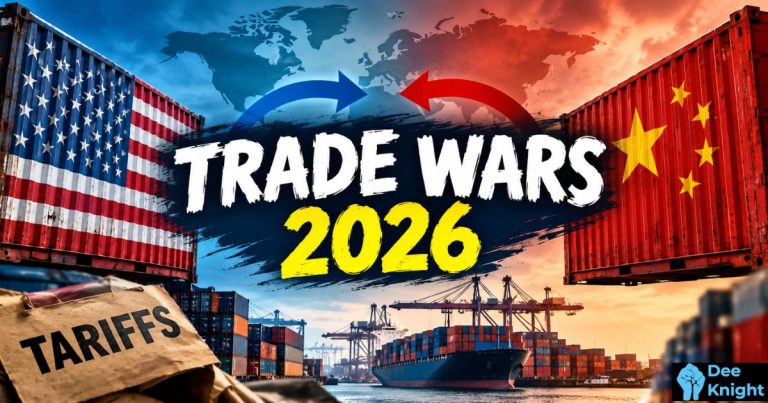
The text also addresses U.S.–China geopolitical challenges. Rising global powers shift balance. Strategic rivalry increases tension. Without dialogue, escalation becomes likely. The book calls for diplomacy rooted in realism, not dominance.
Understanding the Big Lie and Propaganda
Public opinion often supports war before citizens understand the consequences. The book presents a Big Lie propaganda examination. It studies how messaging reframes aggression as defense. It shows how fear drives policy approval.
Governments present selective facts. The media repeats official framing. Emotional language replaces analysis. This cycle normalizes conflict.
Breaking that cycle requires awareness. It requires education. It requires organized resistance rooted in facts. The author argues that peace movement strategy must begin with narrative correction.
From Genocide to Global Peace Strategy
The book does not avoid difficult topics. It includes genocide and war analysis across different regions. It studies how humanitarian language sometimes masks geopolitical motives. It urges readers to evaluate interventions critically.
At the same time, it avoids cynicism. It proposes global peace solutions grounded in accountability. It connects moral responsibility with political structure. Ending global wars requires dismantling incentives that reward conflict.
This perspective strengthens the argument that peace movement building must operate at institutional levels, not only symbolic protest.
Examining U.S. Foreign Policy Critique
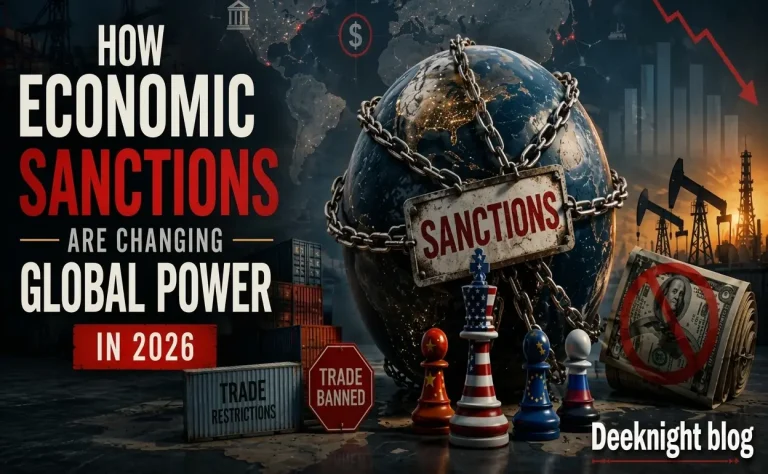
A significant portion of the analysis centers on U.S. foreign policy critique. The book evaluates decades of intervention. It studies how economic sanctions, military bases, and alliance expansions influence global instability.
The critique is structured, not emotional. It references peace movement history to show how dissent has shaped policy before. It examines lessons from past mobilizations and policy shifts.
Readers see how organized pressure changes outcomes. The book emphasizes legislative engagement, coalition building, and media accountability.
NATO and War Dynamics
Military alliances affect regional balance. The NATO and war critique section explores how expansion alters diplomatic space. It questions whether deterrence strategies reduce or intensify conflict.
The analysis avoids oversimplification. It acknowledges security concerns. It still challenges escalation logic. It calls for transparent negotiation mechanisms that prioritize de-escalation.
This discussion ties directly to broader global peace solutions.
Israel–Palestine and Regional Conflict
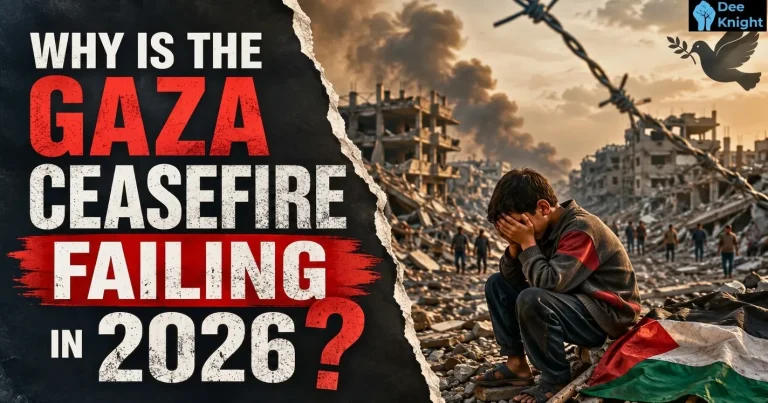
The book includes a peace analysis of Israel-Palestine conflict within broader geopolitical dynamics. It focuses on humanitarian impact. It examines power asymmetry and diplomatic deadlock.
Rather than framing the issue as isolated, the book situates it within international alliances and global conflict systems. It argues that sustainable peace requires structural reform and equal accountability standards.
Russia, China, and Strategic Tensions
Global conflict analysis must include major power relationships. The text explores peace analysis of Russia and China tensions through economic, military, and diplomatic lenses.
It highlights how competition narratives escalate mistrust. It proposes dialogue frameworks grounded in mutual security guarantees. It encourages diplomatic realism instead of ideological confrontation.
This section strengthens the argument for a coordinated peace movement strategy that pressures governments toward negotiation.
Building a Global Peace Movement
Policy change requires public mobilization. The book presents a clear framework for peace movement building. It studies historical peace essays and prior campaigns that influenced war policy.
It argues that modern activism must integrate digital organization, grassroots education, and cross-national coalitions. Peace movement strategy cannot rely on protest alone. It must shape legislation, elections, and international forums.
The text emphasizes civic discipline. It values data over rhetoric. It calls for sustained engagement rather than episodic outrage.
How to Stop Wars in Practical Terms
Many readers ask a direct question: how to stop wars? The book addresses this openly. It outlines measurable reforms:
- Reduce military spending transparency gaps
- Limit executive war powers
- Reform media accountability systems
- Expand diplomatic funding
- Encourage multipolar dialogue frameworks
These recommendations connect theory with action. They offer readers direction rather than abstract hope.
Linking History to Present Policy
The work integrates peace movement history with present realities. It shows how historical resistance movements shaped policy debates. It explains why contemporary activism must adapt but remain principled.
This approach transforms the book into more than analysis. It becomes a nonfiction book on war, propaganda, and peace that bridges generations.
A Realistic Framework, Not Idealism
Many peace narratives depend on optimism alone. This book rejects naïve idealism. A Realistic Path to Peace book argues that structural incentives drive conflict. Therefore, structural reform must drive peace.
It evaluates power distribution. It analyzes defense economics. It critiques media framing. It identifies leverage points for civic influence.
By grounding solutions in political reality, the author strengthens credibility.
Why This Book Matters Now
Global instability is rising. Economic stress increases nationalist rhetoric. Strategic competition intensifies.
Readers need more than emotional commentary. They need informed analysis and structured pathways forward. A Realistic Path to Peace provides that foundation.
It encourages civic literacy. It promotes policy awareness. It challenges passive consumption of war narratives.
If you want deeper insight into global conflict systems and practical peace movement strategy, explore A Realistic Path to Peace book and examine its framework for change.
Conclusion
Peace does not emerge from wishful thinking. It requires strategic action. It demands structural reform. It depends on informed citizens who understand how global conflict systems operate.
A Realistic Path to Peace book delivers a disciplined examination of war, propaganda, and power politics. It connects historical peace essays with contemporary global conflict analysis. It critiques military alliances while proposing diplomatic alternatives. It transforms frustration into direction.
The message is clear. War persists because systems reward it. Peace becomes possible when citizens reform those systems. Sustainable peace demands realism, accountability, and organized civic pressure.
The path exists. It requires clarity. It requires courage. It requires action.
And that is where this conversation ends — not with uncertainty, but with a defined direction forward.
FAQs
What is A Realistic Path to Peace about?
It analyzes global conflicts, U.S. foreign policy, and offers structured strategies for ending wars.
Who wrote A Realistic Path to Peace?
The book is written by Dee Knight, a political analyst and peace advocate.
Does the book critique NATO and U.S. policies?
Yes, it examines NATO expansion, military alliances, and long-term foreign policy impacts.
Is this book about modern global conflicts?
Yes, it covers contemporary geopolitical tensions including U.S.–China and other major conflicts.
Can this book help understand peace movements?
Yes, it explains peace movement strategy and practical steps for civic engagement.