
The curbing of NGO operations and the blocking of aid due to closure of the border crossings are meant as another collective punishment.
This has predicted a disastrous twist in the life of the Gaza Strip as Israel and Iran are inflaming the tension between them. The citizens are experiencing another round of limitations and scarcity. The impact of the markets has again been panicked by the closing of border crossings, a strategy that has been used many times. The cost of food and basic commodities has gone high.
NGO Operations Under Threat
Israel imposed new regulations targeting 37 NGOs in Gaza. These organisations were required to meet strict registration criteria. NGOs such as Doctors Without Borders (MSF), Medical Aid for Palestinians UK, and CARE were ordered to stop operations.
Recommended Stories
- The Next Stage of the Gaza Genocide Has Begun
- Iran-US Hold Talks in Oman as Fears of War Hang Over the Region
- Israel’s Blockade on Gaza: A Humanitarian Crisis Under International Law
- US Social Movements, Policies, and Current Social Issues
At the last moment, the Israeli Supreme Court allowed these organisations to continue temporarily. However, their operations remain hampered. Supplies and foreign staff are blocked from entering Gaza. These NGOs provide half of the food aid and 60 percent of services in field hospitals. Without them, many families face hunger and loss of livelihoods.
Collective Punishment and Humanitarian Impact
The suspension of NGO activities is not about compliance with rules. It is a deliberate form of collective punishment. Even if the court overturns the ban, the Israeli occupation can restrict humanitarian assistance in other ways.
A recent example is the World Central Kitchen, which runs dozens of soup kitchens across Gaza. It serves around 1 million meals daily. Many supply trucks have been blocked. The organisation may be forced to suspend its activities. Hundreds of thousands of Gazans risk going hungry as the conflict with Iran continues.
UNRWA Under Pressure
Israel has also targeted the UNRWA, which is a United Nations agency that assists the Palestinian refugees. The operations are restricted, and there is a shortage of supplies. The budget has been reduced, causing employees to be laid off and salaries to be reduced.
This is having a devastating effect on the Palestinian population. The unemployment rate in Gaza has now reached over 80 percent.
Life in Gaza: Daily Struggles
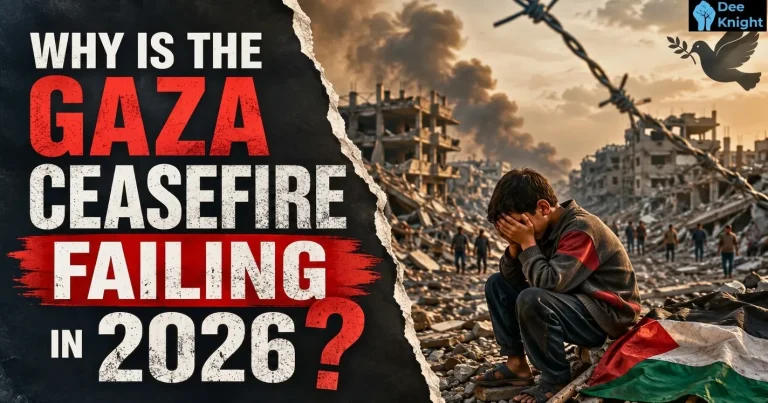
Infrastructures such as hospitals, schools, roads, sewage systems, electricity networks, and generators have been destroyed over the years. Most Gazans live in shelters that offer little or no protection against extreme weather conditions. Water is still impure, and food is hard to come by. The land has been severely destroyed and polluted.
With international support blocked or limited, Gazans face increasing despair. The goal appears to be forcing Palestinians into submission or displacement — a form of ethnic cleansing by attrition.
Lack of Global Response
Most targeted NGOs are based in Western countries. Yet, Western governments have offered minimal response. Few condemnations have been made. Humanitarian operations are being undermined. Collective punishment continues despite international law. Civilians remain at extreme risk.
Looking Ahead
Gaza faces compounded crises. Immediate action is needed from the international community to uphold humanitarian law. Civilians must be protected. Until then, people in Gaza will keep suffering and trying to survive during the war and blockade.
FAQs
Why is Gaza facing shortages during the Iran‑Israel war?
Gaza is facing shortages because Israel has closed border crossings, halting aid and essential supplies into the territory.
What does “collective punishment” mean in this context?
It refers to actions that hurt the entire civilian population, such as blocking food, fuel, and NGO aid, rather than targeting military threats.
How have NGO operations in Gaza been affected?
Many international NGOs have been restricted or blocked, limiting food distribution and medical support for families in need.
What role do organisations like World Central Kitchen play in Gaza?
They provide critical meals and food support, serving hundreds of thousands daily, but their work is hindered by blocked supplies.
How has the closure of crossings affected basic services?
Fuel and food shortages risk shutting down hospitals, water systems, and sanitation services across Gaza.