In the modern geopolitical landscape, the quest for stability is often viewed through the lens of high-level diplomacy and military strategy. However, as veteran activist and author Dee Knight explores across his work , true stability is rooted in a much deeper soil: the intersection of domestic justice and international solidarity. To understand the genuine path to peace, one must first acknowledge that the struggle for equity at home is inseparable from the struggle against militarism abroad.
The Inseparable Bond: Peace and Justice
The phrase peace and justice is more than a rhythmic slogan for rallies; it is a fundamental socio-economic principle. Historically, social movements in the US have flourished when they recognized that the war at home (poverty, racism, and inequality) is fueled by the same machinery as the wars overseas.
When we advocate for peace for justice, we are demanding a realignment of national priorities. As detailed on , the diversion of trillions of dollars toward a “permanent war economy” directly undermines the federal government’s ability to address current social problems in the US. Every dollar spent on an overseas base is a dollar taken away from community healthcare, affordable housing, and sustainable infrastructure.
Current Social Issues in the US: The Domestic Front
To find a realistic path to peace, we must analyze the internal pressures facing the American public today. Current social issues in the US—ranging from the student debt crisis to the erosion of labor rights—create a climate of instability. When a population feels economically precarious, they are more susceptible to the “fear-mongering” narratives that justify increased military spending.
The Stagnation of Social Mobility
One of the most glaring current social problems in the US is the decline of the “American Dream.” Social mobility in the US has reached a standstill for many, particularly in marginalized communities. This lack of upward movement is a direct result of social policies in the US that favor corporate subsidies and military expansion over social safety nets.
By analyzing the archives at , readers can see a consistent pattern: the same power structures that limit social mobility in the US are those that profit from global instability. Therefore, the pathways to peace must include a radical restructuring of domestic policy to prioritize human needs over corporate greed.
Historical Context: Social Movements in the US
The history of the United States is a history of resistance. From the labor strikes of the early 20th century to the massive anti-war mobilizations during the Vietnam era, social movements in the US have been the primary drivers of progress.
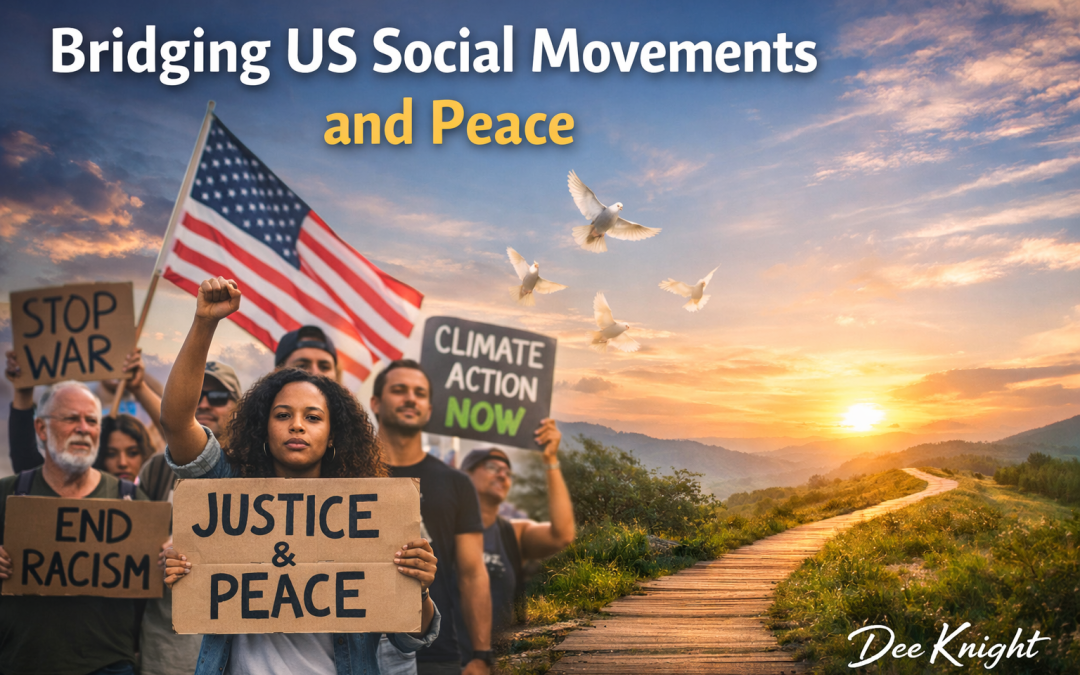
Dee Knight’s personal history—documented in his memoirs and available at —serves as a testament to this legacy. During the Vietnam War, the resistance wasn’t just about ending a conflict; it was about challenging the very nature of US imperialism. Today, the movement continues. Whether it is the fight for racial justice or the climate movement, these are all essential paths to peace. They represent a collective desire to move away from a culture of violence and toward a culture of care.
Analyzing Social Policies in the US
To pivot toward a more peaceful future, a total overhaul of social policies in the US is required. Currently, our policies are reactive rather than proactive. We react to crime with incarceration and to global competition with sanctions. A proactive path to peace would involve:
- Universal Social Services: Reducing the economic anxiety that drives social friction.
- Demilitarized Foreign Policy: Moving away from “Pax Americana” and toward genuine international cooperation.
- Climate Justice: Recognizing that environmental degradation is one of the greatest threats to global security.
Knight emphasizes that the U.S. “pivot to Asia” and the ongoing tensions in Eastern Europe are symptoms of a policy designed to maintain hegemony at all costs. Shifting these social policies in the US is the only way to ensure long-term global stability.
Defining the Pathways to Peace in the 21st Century
What does a realistic pathway to peace look like in 2026? It requires a multipolar perspective. As outlined in Dee Knight latest book, A Realistic Path to Peace, we must stop viewing the rise of other nations as an inherent threat.
1. Diplomacy Over Dominance
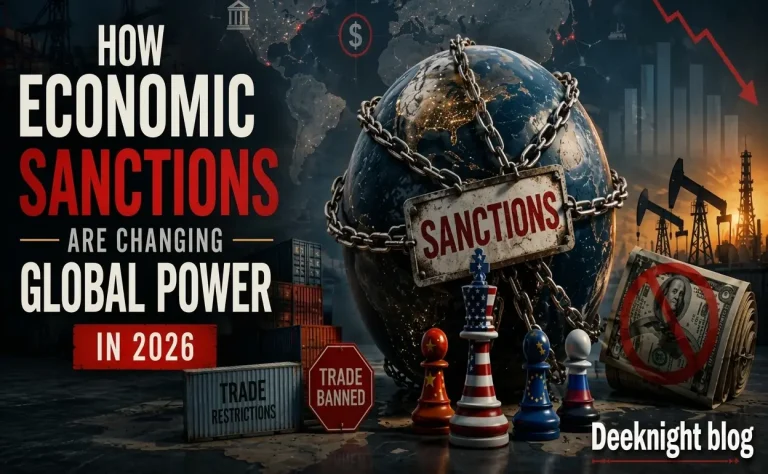
The first of many paths to peace is the restoration of diplomacy. Instead of using sanctions—which primarily hurt the working class—the US should engage in people-to-people peacemaking. This is especially true regarding China and Russia.
2. Addressing Inequality
Global peace and justice cannot exist while a small percentage of the world’s population controls the vast majority of its wealth. This is why addressing social mobility in the US is a global imperative. A fairer America is a less aggressive America.
3. Strengthening Grassroots Movements
The most effective pathways to peace are often those built from the bottom up. Social movements in the US today are increasingly intersectional, linking the struggle for $15 minimum wages with the struggle to end foreign occupations.
The Role of the Individual: From Commentary to Action
If you follow the commentary on , you will find that the goal is not just to inform, but to mobilize. Understanding current social issues in the US is the first step; taking action is the second.
Whether it is joining a local organizing committee, supporting independent media, or engaging in “Befriending China” initiatives, every individual has a role to play in carving out paths to peace. The narrative that war is inevitable is a tool of the powerful; the narrative that peace is possible is a tool of the people.
Conclusion: A Unified Vision for the Future
The journey toward peace and justice is long and fraught with challenges. However, by looking at the work presented across and , we see a clear roadmap. We must address the current social problems in the US with the same urgency as we address the threat of global war.
By strengthening social movements in the US and demanding more equitable social policies in the US, we don’t just improve our own lives—we help build a global pathway to peace. The “Path” is not a static destination; it is a continuous movement toward a world where justice is the foundation and peace is the result.