Imperialism has been a driving force behind many of the world’s conflicts, shaping not only the strategies nations employ but also the narratives they create around war. From the expansionist ambitions of historical empires to the modern exercise of U.S. hegemony, imperialism continues to influence global power dynamics. Understanding this influence requires examining both historical patterns and the contemporary mechanisms through which powerful nations maintain control.
The Legacy of Historical Imperialism
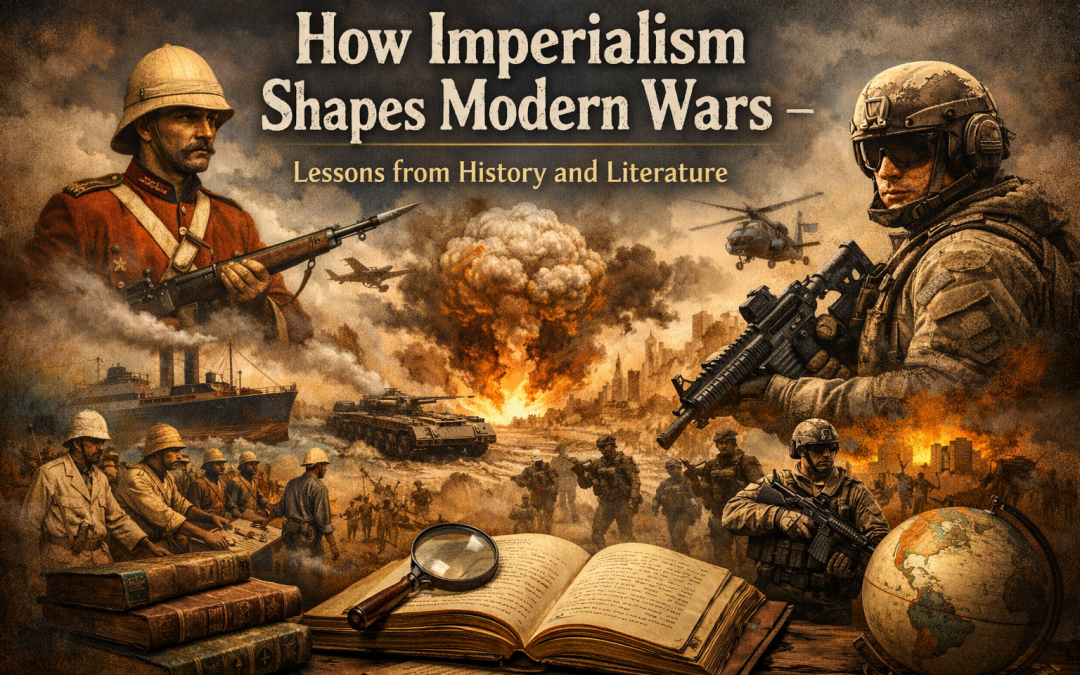
History teaches that imperialist ambitions rarely end without conflict. Empires throughout history relied on a combination of military conquest, economic domination, and ideological control to maintain authority. The decline of empire often followed patterns of overextension and resistance from colonized populations. Even after formal colonialism ended, the structures of control evolved, adapting to new global realities. Modern imperialism, therefore, is not about direct occupation alone but extends into economic, political, and cultural domains.
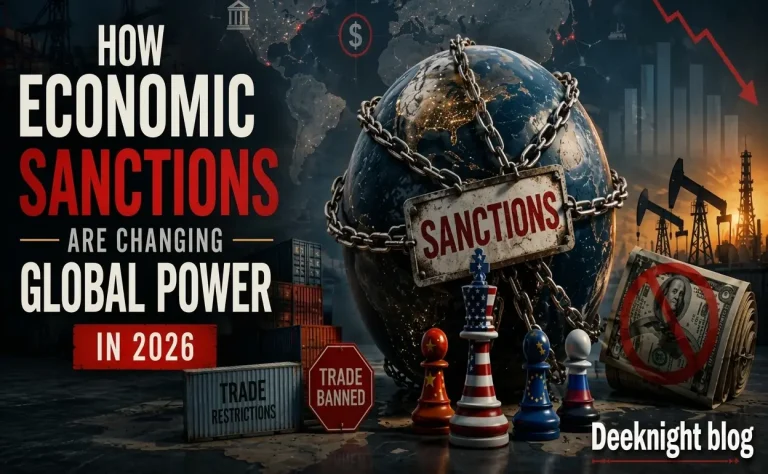
One clear example of this evolution is the use of neoliberal debt trap strategies. Countries dependent on foreign loans often find themselves subject to external pressures, which can be leveraged to enforce political compliance. This economic form of dominance mirrors historical imperialist tactics but adapts them to contemporary global finance systems. Sanctions as economic warfare further reinforce these dynamics, functioning as tools of coercion that shape international behavior without traditional military confrontation.
The U.S. War Machine and Military Influence
The concept of the U.S. war machine is inseparable from discussions of modern imperialism. The United States maintains a global military presence that influences conflicts across continents. NATO expansion and strategic alliances reinforce this presence, creating networks of military cooperation that extend U.S. influence. The military-industrial complex, first warned about during the Cold War era, continues to drive policy decisions that favor continued defense spending and engagement in global conflicts.
In parallel, the rhetoric of the Cold War and contemporary tensions shapes public perception of international threats. Governments often use propaganda and war narratives to frame military interventions as necessary for national security or global stability. Historical examples from the Cold War illustrate how ideological framing, rather than purely strategic concerns, has justified military actions in various regions.
Modern Imperialism in a Global Context
Modern imperialism is multifaceted. It involves not just military interventions but also economic manipulation, political influence, and cultural dominance. Great power rivalry continues to manifest through competition for resources, technological superiority, and strategic alliances. The global war machine concept reflects the interconnectedness of economic, political, and military systems, emphasizing how global conflicts are rarely isolated events but part of a broader web of influence.
Understanding modern imperialism also requires analyzing international relations theory. Realist perspectives highlight the role of power and security dilemmas, while liberal approaches emphasize institutions and norms that mitigate conflict. Historical peace movements, however, remind us that alternatives exist. These movements, often grounded in moral and ethical reasoning, offer lessons in resisting the normalization of conflict and challenging the structures of imperial power.
Lessons from Literature and Historical Accounts
Literature and historical accounts provide invaluable insights into the human consequences of imperialism. Dee Knight book, A Realistic Path to Peace, examines how U.S. hegemony and the military-industrial complex have shaped both domestic and international policy over decades. One particularly compelling paragraph discusses how economic and military strategies intertwine:
“The mechanisms of modern imperialism are subtle yet pervasive. Through debt dependencies, strategic alliances, and military posturing, nations extend their influence while maintaining the facade of sovereign choice. Understanding these dynamics is crucial for any realistic approach to peace, as the structures that perpetuate conflict are deeply embedded in both policy and perception.”
This passage highlights the importance of analyzing not only the overt actions of governments but also the underlying systems that sustain power and conflict. By integrating lessons from history with contemporary analysis, readers can better grasp the persistent patterns that define global warfare.
The Role of Historical Peace Movements
Throughout history, peace movements have challenged the prevailing imperialist logic, advocating for diplomacy, cooperation, and justice. These movements serve as counter-narratives to Cold War rhetoric and propaganda and war narratives, emphasizing human cost over national interest. Examining the history of international conflict through this lens provides context for understanding how modern interventions might be resisted or reformed.
Peace movements also shed light on how citizens can influence policy. Public opposition to wars driven by U.S. war machine activities demonstrates that imperial power is not absolute. Grassroots campaigns, advocacy, and scholarly work play vital roles in shaping international discourse, providing models for nonviolent engagement and accountability.
Implications for International Relations
The study of imperialism and modern wars has significant implications for international relations theory. Concepts such as great power rivalry and strategic competition must be understood in the context of both historical patterns and modern innovations in diplomacy and military strategy. Recognizing the interplay between economic coercion, military presence, and ideological influence is essential for policymakers and citizens alike.
Additionally, understanding these mechanisms can inform strategies for mitigating conflict. By learning from historical precedents and evaluating the insights presented in works like Dee Knight’s, it becomes possible to envision approaches that reduce dependence on coercion and emphasize cooperative solutions.
Conclusion: Bridging History and Modern Policy
Imperialism, whether historical or modern, remains a central driver of conflict. From the overt expansion of empires to the subtler forms of sanctions as economic warfare and the neoliberal debt trap, understanding the mechanisms of power is crucial. Integrating lessons from literature and historical accounts, such as those presented in A Realistic Path to Peace, provides a framework for analyzing contemporary conflicts and seeking pathways toward sustainable peace.
Ultimately, examining the connections between imperial ambition, military-industrial power, and global strategy allows us to recognize patterns that might otherwise remain invisible. By learning from history, engaging critically with current policies, and incorporating the insights of scholars and writers, we can develop a more informed perspective on modern wars and the possibilities for lasting peace.