Gaza Famine and Civilian Struggle
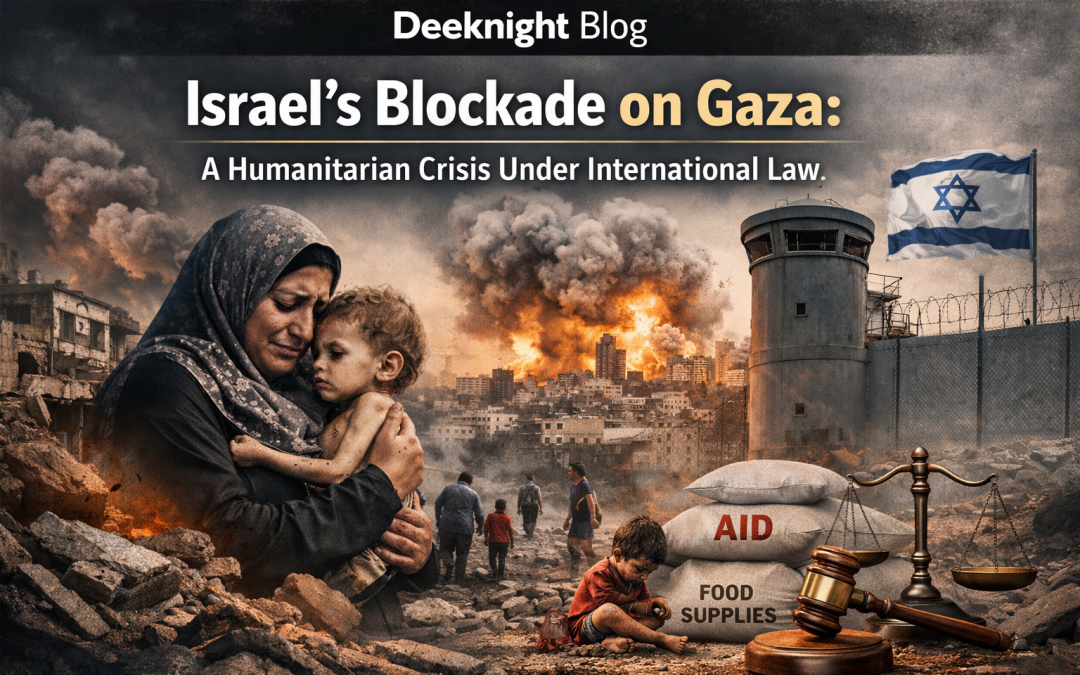
The Gaza Strip is facing one of the most severe humanitarian crises in the world today. The ongoing Israel Blockade Gaza has restricted food, medical supplies, and essential goods, creating widespread famine. Families are struggling to survive amid rising food prices and limited access to clean water.
Children and the elderly are most vulnerable, suffering malnutrition and preventable illnesses. Humanitarian organizations warn that without immediate intervention, the situation could worsen significantly.
Israel Blockade Gaza and Security Concerns
Israel justifies the blockade as a security measure to prevent weapons smuggling and attacks from militant groups. While security is a legitimate concern, the blockade’s impact on civilians has been catastrophic.
International law emphasizes the protection of non-combatants, and restricting access to essential resources raises legal and ethical questions. The debate continues on how to balance national security with international humanitarian obligations.
Human Rights Violations and Daily Life
Civilians in Gaza endure a constant shortage of electricity, clean water, and healthcare facilities. Hospitals are overwhelmed, and medicines are scarce. The lack of basic services affects daily life and increases vulnerability to disease.
Human rights organizations have repeatedly condemned these conditions as violations of international human rights law, urging immediate action to alleviate civilian suffering.
Comparing Apartheid South Africa and Gaza
Many experts draw parallels between the situation in Gaza and apartheid-era South Africa. Restrictions on movement, unequal access to resources, and systematic control over daily life resemble past segregation practices.
While the contexts differ historically and politically, such comparisons highlight the urgency of addressing systemic oppression and ensuring basic human rights for affected populations in West Asia.
International Law and Global Responsibility
International law prohibits measures that disproportionately harm civilians. The United Nations and other international bodies have condemned the blockade for its humanitarian impact.
Resolutions have called for safe access to food, medicine, and water. Countries around the world are divided on the issue—some supporting Israel’s security stance, while others demand stricter adherence to human rights obligations.
Lessons from Eastern Europe Conflicts
Looking at Eastern Europe, conflicts in regions like Ukraine have shown that international pressure, humanitarian corridors, and rapid aid distribution can prevent large-scale civilian suffering.
Applying these lessons to Gaza could save lives. Diplomatic negotiations, monitored aid delivery, and legal oversight are crucial to ensure civilians receive necessary assistance while maintaining security concerns.
Present Situation in Gaza
As of early 2026, the humanitarian crisis in Gaza continues to escalate. Hospitals report shortages of essential medicines, and food insecurity is affecting over 70% of households. Electricity outages last up to 20 hours a day, further hampering medical services and clean water access.
International organizations are calling for immediate aid and lifting of restrictions to prevent further civilian casualties. The situation remains tense, with diplomatic efforts ongoing but slow.
Humanitarian Crisis: Urgency for Action
The blockade has created an environment where survival itself is a daily challenge. The Gaza famine is no longer a looming threat—it is a present reality.
Immediate action from the international community is needed, including humanitarian aid, policy changes, and enforcement of international law to protect civilians. Without intervention, the crisis will continue to spiral, affecting future generations.
Global Awareness and Media Attention
Raising global awareness is crucial for addressing the Gaza crisis. Media coverage and social platforms help put pressure on governments to act responsibly.
Humanitarian campaigns and international advocacy can highlight the plight of civilians and encourage policy changes. Accurate reporting on human rights violations, food scarcity, and medical shortages can mobilize support for relief efforts.
FAQs
Q1: What is the main cause of the Gaza famine?
The famine results from the Israel blockade of Gaza restricting food, medical supplies, and essential goods. Limited access to resources has left thousands of families facing hunger.
Q2: How does international law view the blockade?
International law prioritizes civilian protection. Restricting essential goods in a way that harms non-combatants may violate humanitarian principles and human rights law.
Q3: How is Gaza’s situation compared to apartheid South Africa?
Some experts compare Gaza’s restrictions on movement, access to resources, and daily life control to apartheid-era South Africa. The comparison highlights systemic oppression but recognizes historical differences.
Q4: What is the current situation in Gaza in 2026?
As of early 2026, Gaza faces severe food insecurity, medicine shortages, electricity outages, and overwhelmed hospitals. International aid is urgently needed.
Q5: How can the international community help?
Aid distribution, humanitarian corridors, diplomatic negotiations, and enforcement of international law can alleviate civilian suffering while respecting security concerns.