The world today feels increasingly unstable. From the Middle East to South Asia and beyond, tensions between major powers and regional actors are reshaping geopolitics. The ongoing Iran war, rising rivalries among global powers, and economic disruptions have pushed the international system into a new era of uncertainty.
Many analysts describe the current situation as a revival of modern day imperialism, where powerful nations compete for influence, resources, and strategic dominance. These conflicts are not isolated events—they ripple across continents, affecting economies, politics, and societies worldwide.
In this analysis published on DeeKnight Blog. We explore how global tensions—from the Strait of Hormuz to South Asia—are redefining diplomacy, security and the future of peace.
The Return of Modern Power Politics
Over the last decade, global politics has increasingly reflected patterns seen in history. Competition among powerful states, control over trade routes, and influence over smaller nations are clear modern day imperialism examples shaping international relations.
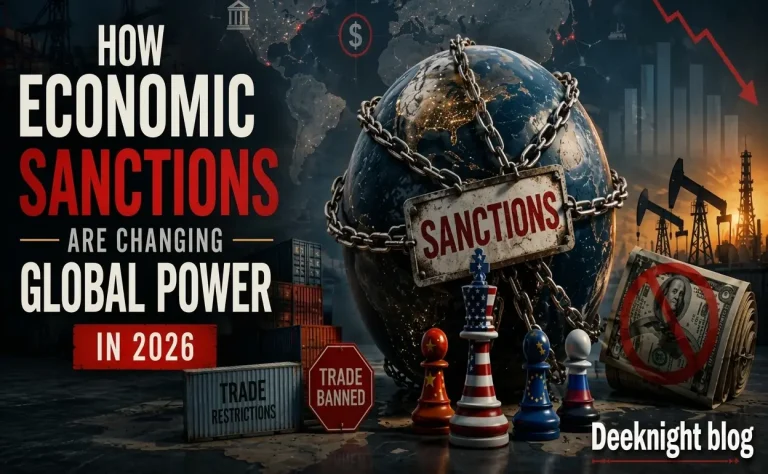
In many ways, the link between war and imperialism has re-emerged. Major powers pursue strategic influence through military alliances, economic pressure, and geopolitical maneuvering.
Today’s conflicts are rarely confined to one country. Instead, they involve complex networks of allies, proxy groups, and regional actors that turn local disputes into global crises.
The Iran War and the Middle East Escalation
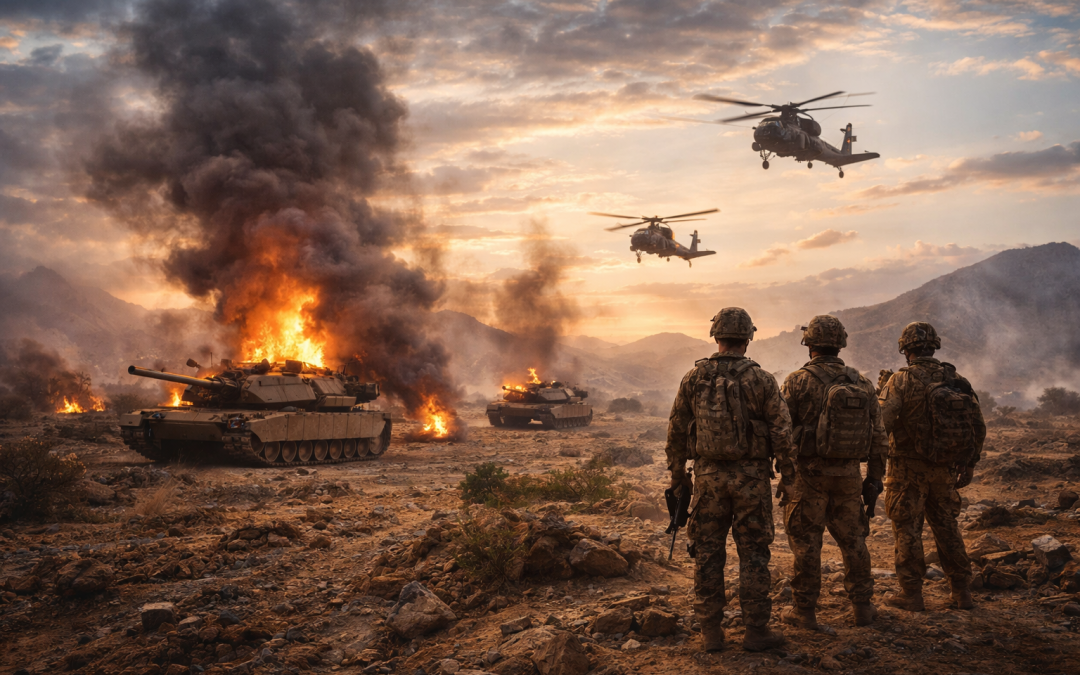
The current Iran war has become one of the most significant geopolitical crises of the decade. On February 28, 2026, coordinated strikes by the United States and Israel targeted Iranian military infrastructure and nuclear-related sites, escalating long-standing tensions into open conflict.
In response, Iran launched missile and drone attacks against Israeli territory and regional military bases, widening the conflict across the Middle East.
Recent coverage highlights how quickly the conflict expanded and how it is affecting global stability.
The escalation has already had serious consequences:
- Increased military activity across the Middle East
- Cyber warfare targeting critical infrastructure
- Growing tensions among global powers
Experts warn that if the war continues to escalate, it could draw more countries into the conflict.
The Strait of Hormuz Crisis and Global Energy Shock
One of the most immediate consequences of the conflict has been the disruption of the Strait of Hormuz, a crucial route for global energy shipments.
After the war began, shipping traffic through the strait was severely disrupted, affecting around 20% of the world’s oil supply.
The impact has been felt worldwide:
- Oil prices surged rapidly
- Global stock markets experienced volatility
- Energy-importing countries faced economic pressure
This crisis demonstrates how regional wars can quickly trigger global economic consequences.
South Asia’s Strategic Importance: Pakistan and Afghanistan
While the Middle East remains the center of attention, South Asia is also becoming a critical geopolitical arena.
Pakistan and Afghanistan face complex security challenges that intersect with global rivalries. Border tensions, political instability, and economic pressures contribute to an increasingly fragile regional environment.
South Asia’s importance lies in its strategic location between the Middle East, Central Asia, and China. Any instability in this region could disrupt trade corridors, energy routes, and security arrangements across multiple continents.
These developments illustrate how global power competition is spreading beyond traditional conflict zones.
China and the New Global Balance of Power
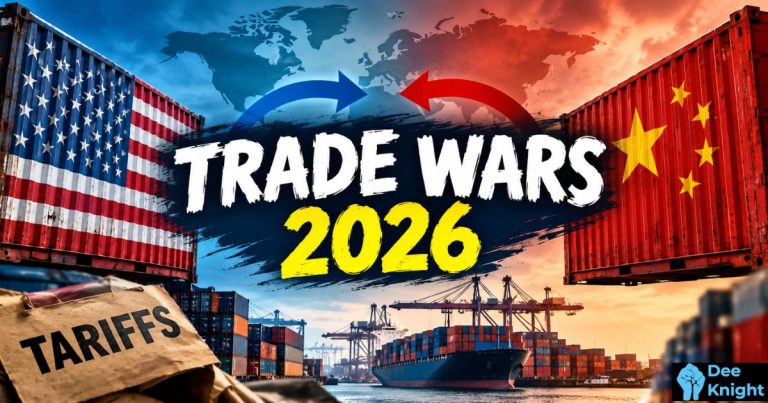
China’s growing influence has added another dimension to modern geopolitics. Through initiatives like global infrastructure investments and expanding trade networks, Beijing has positioned itself as a key player in international affairs.
In the context of the current crisis, China must balance several interests:
- Maintaining energy imports from the Middle East
- Avoiding direct confrontation with Western powers
- Expanding diplomatic influence across Asia and Africa
This strategic balancing act reflects the broader shift toward a multipolar world, where several major powers compete for influence rather than a single dominant superpower.
Recommended Stories
If you want deeper insights into the geopolitical trends shaping today’s world, explore these related articles:
- How Imperialism Shapes Modern Wars – Lessons from History and Literature
- Iran-US Hold Talks in Oman as Fears of War Hang Over the Region
- The Next Stage of the Gaza Genocide Has Begun
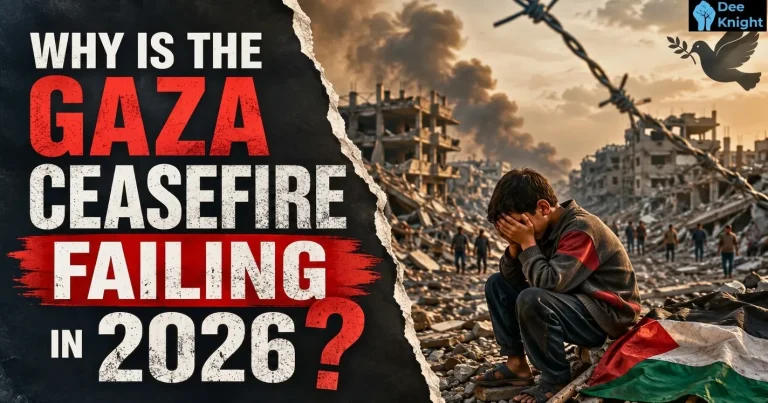
- Is Peace Possible in the Middle East? A Realistic Path After the Gaza War
These stories provide additional context about global conflicts, diplomacy, and the evolving struggle for international stability.
The Domestic Impact: Social Issues in the United States
Global conflicts rarely remain distant from domestic politics. The ongoing crises are influencing social issues in the United States, including debates over military spending, foreign policy priorities, and economic pressures.
At the same time, rising inflation, energy costs, and political polarization have intensified current social issues in America.
Many Americans are questioning the long-term costs of international conflicts and the role their country should play in global security.
This debate reflects a broader question facing many nations: how to balance national interests with global responsibility.
Pathways Toward Peace
Despite rising tensions, diplomacy remains the most effective path toward stability. Peace negotiations, international mediation, and economic cooperation can help prevent conflicts from spiraling into wider wars.
Organizations, governments, and civil society groups must work together to reduce tensions and build trust among rival nations.
Platforms like Realistic Path To Peace emphasize dialogue, conflict resolution, and long-term strategies that address the root causes of war.
Understanding the connection between war and imperialism is essential for creating sustainable peace. Without addressing power imbalances and geopolitical rivalries, conflicts will continue to reappear in different forms.
Conclusion: A World at a Crossroads
The world stands at a critical moment. From the Middle East to South Asia, geopolitical tensions are reshaping global politics.
The Iran war, energy disruptions, and growing rivalries among major powers demonstrate how fragile the international system has become. At the same time, debates about modern day imperialism highlight the deeper structural forces driving global conflict.
Yet history also shows that diplomacy, cooperation, and public awareness can shift the course of international relations.
Explore More Global Analysis & Peace Strategies
For deeper insights into global conflicts, geopolitics, and diplomacy:
➡ Read more analysis on DeeKnight .blog
➡ Discover peacebuilding ideas at Real Path To Peace
Together, informed dialogue and responsible leadership can help guide the world toward stability and cooperation.
FAQs
- What is the Iran war and why is it important?
A. The Iran war refers to the escalating military conflict involving Iran, Israel, and the United States that is affecting global politics, security, and energy markets. - What are modern day imperialism examples today?
A. Modern day imperialism examples include powerful nations competing for influence through military presence, economic pressure, and strategic alliances. - How does war and imperialism affect global peace?
A. War and imperialism often increase geopolitical tensions, disrupt economies, and create instability that makes long-term global peace harder to achieve. - How do global conflicts impact social issues in the United States?
A. International conflicts influence social issues in the United States by affecting military spending, economic policies, energy prices, and political debates. - What are the current social issues in America related to global conflicts?
A. Current social issues in America linked to global conflicts include inflation, energy costs, political polarization, and debates about foreign policy.