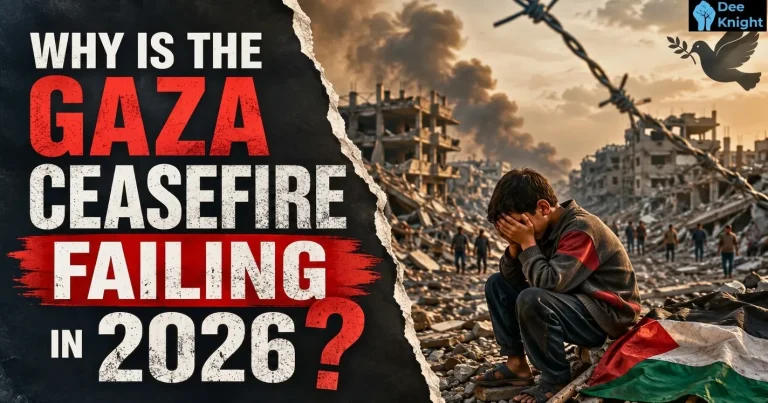

Fighting in the Middle East peace has been long. Wars, military interventions and political conflicts have transformed the region over a long period of time. The recent war in Gaza has only added to the situation in the region. The leaders of the world are struggling because of what to do, and yet the cities are being burnt and people are struggling to survive.
So many people are posing a hard question now: Can the region still go forward? The notion of tranquility in the Middle East may appear distant as one watches the news, where the news is laden with violence. However history reveals that long lasting wars too can end in peace and negotiations.
This region is currently at a crossroads. The leaders can continue this cycle of violence or they can seek a different option that is rooted in diplomacy and collaboration and safety in the long-term perspective.
The Gaza War and a Region Under Pressure
It is due to the war in Gaza that the people of the world are currently discussing politics in a different manner. This has become one of the toughest periods in recent Middle Eastern history due to military acts, humanitarian matters and increasing tensions among nations.
It is not a bubble that the war is taking place in. Regional forces are making a close observation of each transformation. The nature of diplomatic relations is liable to change very quickly and the governments are known to react both to security concerns and internal pressures.
These are some of the things that complicate the process of finding peace in the Middle East. When there is an increase in violence there is a decrease in trust. This makes the process of negotiations more difficult as either party fears appearing weak.
The humanitarian crisis causes all the people in the world to consider the way to manage the conflicts in the region. There is an increasing demand among more people for ceasefires, negotiations and assistance of diplomats.
The Middle East struggles to find peace because of the following reasons.
The fact that it is still difficult to make peace in the Middle East has a number of reasons. The political competition and fear of their own security inspire governments in the region in making decisions based on old grudges.
Many of the conflicts in the Middle East peace have historical undertones. The past is recalled using very different ways among various groups of people. These opposing memories are what define politics nowadays and they tend to complicate it so that it is difficult to come to some sort of agreement.
Balance of power is also of great importance. The governments of the regions are interested in defending their interests and power. A set of alliances and rivalries influence decisions which can either relax the situation or escalate it.
Another problem is trust. Decades of conflict have damaged the relations. Even small deals become difficult where mistrust is lacking.
Despite all these issues, history teaches that war does not end indefinitely. Slowly, peace in the Middle East can be achieved through political change, economical cooperation and diplomatic pressure.
Diplomacy Still Matters
In case of crisis diplomacy may appear weak compared with military force. However, the stability of the long-term is always reliant on discussing rather than employing force.
Diplomacy can be performed in several ways. Governments can begin with small transactions such as allowing people in on humanitarian grounds of trading prisoners or brief ceasefires. These measures would not unravel everything but they would allow people to have more to discuss.
These are little measures that trigger the beginning of achieving peace in the Middle East. Dialogue establishes means through which people can communicate with one another that may enable them to know more about each other and reduce the possibility of a larger conflict.
International organizations, regional groups and world leaders also influence this process. Their involvement can create compromise and help to make permanent negotiations.
The Global Impact of the Gaza War
The implications of the Gaza war on the entire world extend much further than it does on the region. The Middle East is a volatile energy market and therefore its reaction is fast. The trade routes among countries and diplomacy worldwide all take its toll.
International law and the question of humanitarian responsibility have become the topic of discussion in the political discourse of many countries. The war has caused governments to reconsider the way they approach the matters of security and diplomacy in the region.
The impacts on the rest of the world explain why peace in the Middle East is the concern of all people. The economic global collaboration and humanitarian situations in all the parts of the world are impacted by stability in the area.
A Realistic Path Toward Peace
Even the hopeful speeches will not be enough to bring peace to the Middle East. It requires practical solutions which are the combination of diplomacy and long term thinking in politics.
An attainable plan should address several crucial issues. The civilians still need humanitarian access to remain alive. Military escalation needs to be replaced by political discourse. The governments in the region should also realize that security is not achieved by fighting every time.
It could also be very important as economic cooperation. The more nations are connected through trade relations and other developmental projects, the more they tend to put stability first. When the economic interests of the countries are shared, the reasons to maintain the peace increase.
A lot of analysts believe that peace in the Middle East will be the future, and they will have to be gradual in their diplomatic moves and not leap in one giant leap. Innocent and yet significant pacts that create trust in the long run tend to result in permanent peace.
Recommended Stories
Readers interested in deeper analysis of the current crisis may also explore several related discussions on this site. These articles examine different aspects of the ongoing conflict and its wider geopolitical consequences.
Iran-US Hold Talks in Oman as Fears of War Hang Over the Region – explores the delicate diplomatic efforts that attempt to prevent further escalation.
Israel’s Blockade on Gaza: A Humanitarian Crisis Under International Law – examines the humanitarian challenges created by restrictions and military operations in Gaza.
A Realistic Path to Peace: Rethinking War, Power, and Global Responsibility – discusses broader global responsibilities when nations face conflict and instability.
The next stage of the Gaza genocide has begun – analyzes how the current crisis may shape the next phase of the regional conflict.
Together these discussions provide a wider perspective on the challenges and possibilities surrounding Middle East Peace.
Is the Region Cycle of War Breakable?
The Middle East has gone through numerous periods of violence. Any combat exacerbates the situation and distrust between people. The only solution to this trend is that politicians should be courageous and the general population should favor diplomacy.
There are professionals who believe that collaboration in the Middle East will transform the future of the region. The relationship of international meditations and economic partnerships between countries and cultural exchange can gradually transform the political environment.
Other people do not even believe it. According to them, the primary problems in regional politics remain to be strategic competition and security concerns. They do not even know whether there can be Middle East Peace.
But history has known that long wars may have a negotiation and compromise. It can be a long way but we cannot exclude the possibility of peace in Gaza and the rest of the region.
Lessons in Seeing the World in a New Way.
The re-evaluation of ancient battles by new perspectives can frequently aid the societies in revising old conflicts. Scholars, political figures and writers tend to challenge the mainstream accounts and advance alternative approaches to international relations.
There are some works that address these notions in other perspectives. The book Befriending China discusses the importance of explaining things rather than fighting to strengthen relations between nations. The importance of building relationships between countries is highlighted in its focus on diplomatic activity.
Another book that examines the role of the world leaders and citizens in transforming how they approach the issue of power war and their duties towards other nations is A Realistic Path to Peace. According to the book, collaboration by being nice and making the future a better place is more valuable in ensuring long term peace than military victory in the short term.
Individual thoughts offer a lot of insight. My Whirlwind Lives demonstrates that politics may influence the life of people and their moral decisions in the world.
A combination of these works helps the reader begin to consider even more seriously the theme of diplomacy, global responsibility, and the long way to peace.
Conclusion
The ongoing war in Gaza has demonstrated to the world once again how precarious the peace in the Middle East can be. The region remains in conflict due to old grudges and rivalry in terms of strategy.
However, there is still a need to seek peace in the Middle East. It might be the case that war is the most significant thing at the moment, however, conversation and teamwork in diplomacy can make a difference in the future, nonetheless.
Middle East Peace is not going to come easy. The international community and the regional leaders must be patient, courageous and even eager. The price of eternal war is that the quest of peace has never been so serious.
Things might have gone differently, were leaders to talk things out, rather than fight. It is not yet too late to see the Middle East Peace be more stable and collaborate.
FAQs
Q1: Is peace possible in the Middle East after the Gaza war?
Yes, though challenging, diplomacy and gradual conflict resolution can create pathways toward lasting peace.
Q2: What is the main cause of the current Middle East war?
The ongoing conflict is fueled by political rivalries, historical grievances, and security concerns in Gaza, Israel, and Iran.
Q3: How does the Iran-Israel conflict affect global stability?
It impacts energy markets, trade routes, and international security, making regional peace critical for global stability.
Q4: What role does diplomacy play in achieving peace in the Middle East?
Diplomacy helps prevent escalation, build trust, and implement humanitarian solutions, which are essential for long-term stability.
Q5: Can humanitarian crises in Gaza influence peace efforts?
Yes, addressing civilian suffering and ensuring humanitarian access often create pressure for negotiations and dialogue.