In 2026 the world is undergoing a profound transformation in the realm of global politics. The stability and predictability of international relations are gone. Wars economic pressure military alliances and rising geopolitical tensions will have an impact on the way the world works.
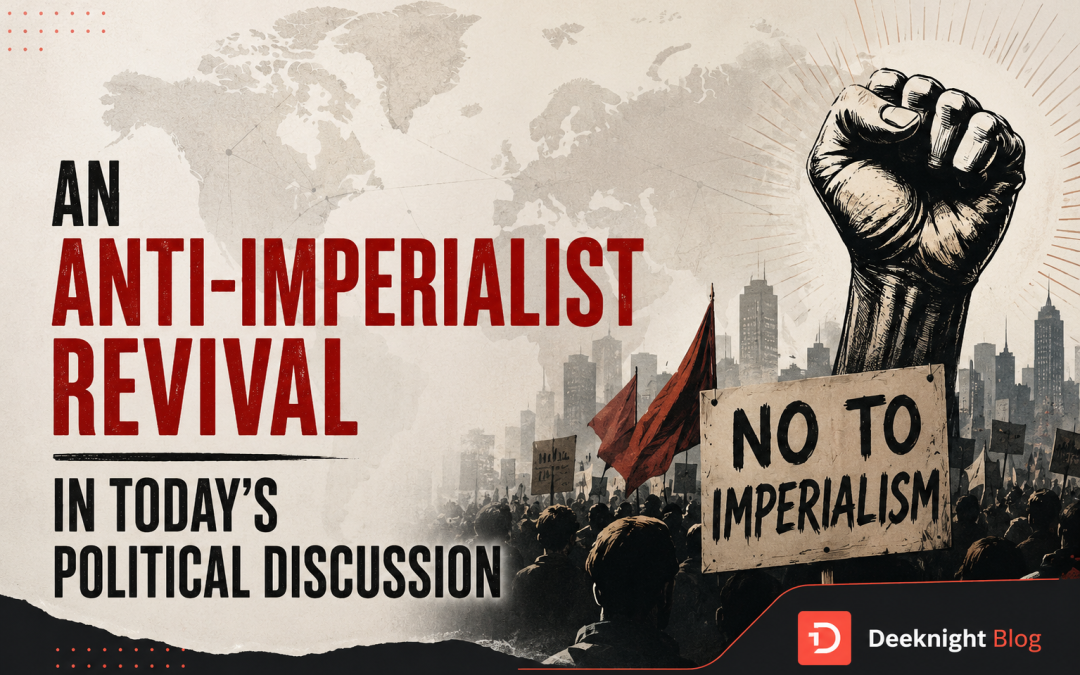
In this environment an old political idea is returning to mainstream discussion. That idea is anti-imperialism. It is no longer just a historical concept linked to colonial history. It is now part of modern political debate foreign policy discussions and global activism.
People across the world are questioning how power is used. They are asking whether modern systems create equality or maintain control through indirect influence.
It is not just academics or governments that are changing. This expanding dialog includes social movements activists and independent thinkers.
What Anti-Imperialism Really Means Today
Anti-imperialism originally referred to resistance against colonial rule. Powerful nations used to control territories directly through occupation and administration.
However the modern world works differently. Today control is rarely direct. It is more subtle and systemic.
Modern imperialism operates through:
- Economic dependency and debt systems
- Military bases and alliances
- Trade restrictions and sanctions
- Global financial institutions
- Political influence in weaker states
This means control is maintained without direct governance.
Because of this shift, modern imperialism has become more difficult to recognize but its impact remains significant.
Why Anti-Imperialist Thinking Is Returning
The rise of anti-imperialist movements is closely linked to global instability. Wars in different regions have raised concerns about long-term military involvement and foreign intervention.
At the same time economic pressure between major powers has increased. Sanctions trade wars and competition for resources have made international relations more tense.
This has created space for new political discussions. Many people now question whether global systems are truly fair or balanced.
As a result anti-war movements are becoming more visible. These movements are not only opposing war but also questioning the systems that lead to conflict.
Modern Imperialism and Global Conflict
Modern conflicts are no longer simple wars between two countries. They are deeply connected to global power structures.
Many conflicts today involve indirect participation from multiple nations. These are often called proxy wars where external powers support different sides to maintain influence.
This shows how modern wars and imperialism are interconnected. Wars are not isolated events. They are part of a larger system of global competition.
A detailed explanation of how historical patterns connect to current conflicts can be found in How Imperialism Shapes Modern Wars – Lessons from History and Literature
This connection helps explain why many conflicts continue for long periods without clear resolution.
Imperialism in the 21st Century System
Modern imperialism is not based on direct colonization anymore. Instead it operates through systems that influence global decision-making.
These systems include:
- International financial institutions
- Global trade agreements
- Military partnerships
- Economic dependency structures
- Strategic geopolitical influence
Because of this structure imperialism in the 21st century is often hidden behind legal, economic and diplomatic frameworks.
A broader analysis of these systems is explored in Imperialism in the Twenty-First Century
Understanding this helps explain why global inequality still exists despite political independence.
Rise of Anti-War and Resistance Movements
Global instability has also led to the rise of anti-war movements. These movements focus on stopping military escalation and promoting peaceful alternatives.
They are often supported by political resistance movements which connect local struggles with global systems of power.
These movements argue that wars are not random events. They are often the result of long-term political and economic strategies.
This perspective is becoming more common in global political discussions.
Social Movements and Global Awareness
Social movements are making a major contribution to current political consciousness. People in various nations are mobilizing around a variety of concerns including peace and justice.
These movements challenge existing global systems and question how power is distributed internationally.
The relationship between activism and global power structures is discussed in Global Power & Domestic Change: Modern Imperialism and the Rise of Social Movements in the U.S
This shows how local movements are increasingly connected to global political issues.
Media and Public Understanding
The media is a large factor in influencing the perception of the world’s conflict situations. There are various stories and hence various interpretations of the same story.
This leads to partial or incomplete understanding of international issues. Many long-term political and historical factors are often missing from mainstream reporting.
Because of this independent research and alternative perspectives are becoming more important.
Peace Diplomacy and Global Alternatives
But as conflict escalates, diplomacy is the best way to achieve peace. Long term peace is only possible by negotiation and by cooperation according to many experts.
However, achieving peace requires effort from multiple global actors. It also requires reducing dependence on military solutions.
A more in-depth look at peaceful solutions is provided in A Realistic Path to Peace: Rethinking War, Power, and Global Responsibility
This perspective highlights how global cooperation can reduce conflict.
Personal Experience and Political Awareness
Understanding anti-imperialism is not only about theory. It is also about lived experience and historical struggle.
Many activists have documented their journeys through political movements and resistance efforts. These experiences help explain how global systems affect individuals in real life.
The personal side of activism and resistance is explored in My Whirlwind Lives, which reflects decades of political struggle and global change
Such narratives connect personal experience with global political systems.
Cooperation as an Alternative Path
Not all global solutions come from conflict. Some come from cooperation and understanding.
An example of such a strategy is people-to-people diplomacy. Where emphasis is placed on people-to-people interaction instead of confrontation.
The theme of global cooperation and cultural understanding is developed in Befriending China which promotes an alternative to political action based on conflict.
This shows that alternative models of global relations are possible.
Key Takeaways
- Global politics is becoming more complex due to shifting power structures and long-term geopolitical competition.
- Many modern conflicts are driven by indirect influence rather than direct warfare.
- Public awareness about global systems and resistance movements is increasing worldwide.
- Social and political movements are playing a stronger role in shaping international debate.
- Media narratives strongly influence how global conflicts are understood.
- Diplomatic solutions remain the most stable path for long-term global peace.
Conclusion
In today’s political debate anti-imperialism is a fundamental change in thinking about the world. People won’t take an explanation of war and politics anymore and they won’t take a dumbed-down one. They challenge more systemic power and influence.
Power struggles resistance movements and shifts in political systems are shaping the international system in the current global realities.
Whether the world shall see cooperation or conflict and competition in the future will depend upon the choices of the global players.
Frequently Asked Questions
Q: What is anti-imperialism in modern politics?
A: Yes, anti-imperialism is opposition to powerful countries influencing or controlling weaker nations through economic, military or political pressure in today’s global system.
Q: Why is anti-imperialism becoming relevant again?
A: Yes, it is becoming relevant due to rising global conflicts, wars, economic sanctions and growing awareness about unequal power structures in international relations.
Q: How is modern imperialism different from old colonialism?
A: Yes, it is different because old colonialism involved direct control of territories, while modern imperialism works indirectly through finance, trade systems, military alliances and political influence.
Q: What role do anti-war movements play in this debate?
A: Yes, they play an important role by opposing military escalation and promoting peaceful solutions, often linking modern conflicts to larger systems of global power and control.
Q: Can global peace be achieved in today’s political system?
A: Yes, it is possible but it depends on stronger diplomacy, reduced military conflicts and fairer global cooperation between powerful and developing nations.