
The year 2026 is not peaceful. But diplomacy is moving.
If you’re looking for the best peace books of 2026, you already sense that this moment demands something more than headlines. The Iran‑US deal has been signed. Today, June 22, 2026, both delegations are meeting in Switzerland to advance its implementation. That is real progress.
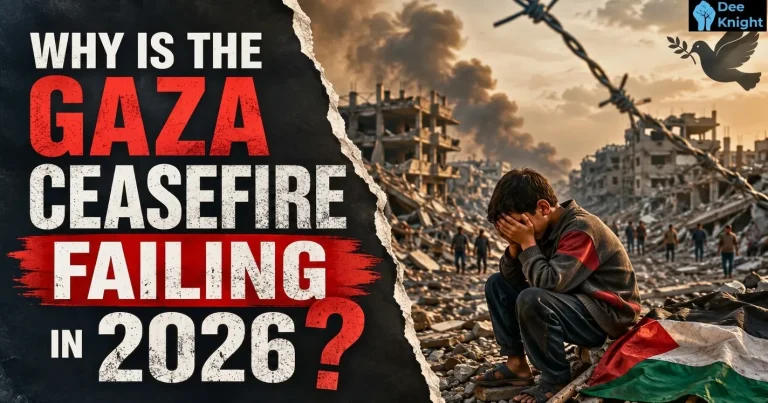
Still, the Middle East remains volatile. Gaza’s ceasefire has shifted into a contentious reconstruction phase. Power politics continue to dominate the region.
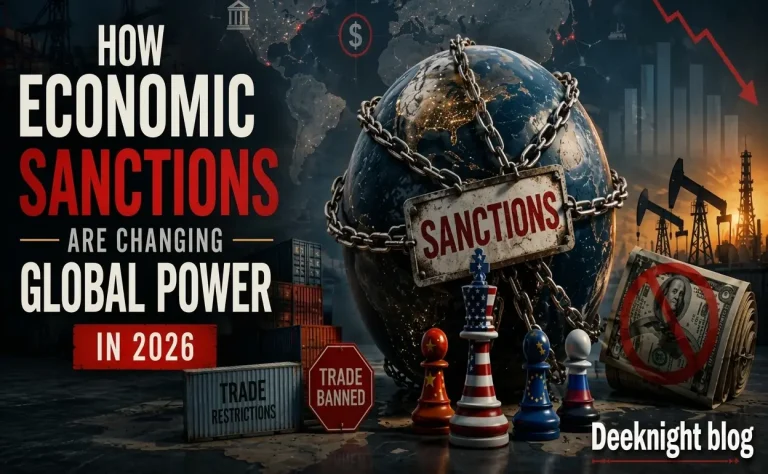
Beyond the Middle East, a US‑China tech cold war is escalating quietly. Semiconductors, artificial intelligence, and naval tensions are reshaping global alliances.
Add to that climate‑linked conflicts, autonomous weapons and a media system that thrives on fear. It is a lot to carry.
For activists, organizers, students, and concerned citizens, the question has changed. It’s no longer just “What’s happening?” It’s “What can I do?” Often, the first answer is simple: pick up the right book.
But if you open any “Peace and Conflict” category in 2026, you will drown. Dense academic texts that never leave the seminar room. Vague spiritual guides that ignore imperialism. Crowdsourced lists that lump together The Art of War and a random mindfulness journal.
You need something different. You need peace books that are realistic, actionable and written by someone who has been on the front lines for over fifty years.
That’s exactly what you’ll find here. Not a generic top‑ten list. Three deeply connected books authored by lifelong activist Dee Knight. Together, they form a complete activist curriculum for 2026.
You’ll get:
- A global peace blueprint.
- A personal memoir of resilience.
- A grassroots guide to people‑to‑people diplomacy.
If you searched for the best peace books of 2026, this list will give you tools. Not just hope.
What Makes a Peace Book “Best” in 2026?
Before the titles, let’s set clear standards. In a year shaped by crisis, the best peace books must pass four tests.
- They engage honestly with current conflicts. No euphemisms. No avoiding words like “imperialism,” “blockade,” or “military‑industrial complex.” A peace book in 2026 must name the Iran war scare. It must face the Gaza blockade’s legacy. It must address the semiconductor standoff and the climate‑war nexus. Without flinching.
2. They bridge the global and the personal.
You need macro analysis. Why the Strait of Hormuz matters. What AI‑driven warfare means. But you also need guidance on staying human. How to avoid burnout. How to build trust across enemy lines. A book that only does one is incomplete.
3. They offer a realistic path, not just critique.
Diagnosis without treatment is a luxury activists cannot afford. The best books propose frameworks. They give you tactics. They hand you policy demands and grassroots actions you can actually use in your campaign work or study circles.
4. They draw from real activist experience.
Academic rigour has its place. But lived struggle brings an irreplaceable texture. Books written by someone who resisted draft boards matter. Someone who organized blockades. Someone who sat with families across conflict lines. Someone who sustained hope through decades of setbacks. That kind of authority is unmatched.
Search “best peace books 2026” and most lists fail these tests. What’s missing is a unified collection that treats peace as a discipline. Something you learn, practice and organize around. The three books below fill that gap completely. They are not random. They are interlocking pieces of the same activist vision.
1. A Realistic Path to Peace — The Macro Blueprint
What This Book Is
A Realistic Path to Peace was born in the crucible of the 2026 Middle East crisis. It was shaped by the collapse of Trump’s 15‑point plan, the Iran nuclear escalation and the devastating Gaza war. The book refuses to settle for temporary ceasefires. Instead, it builds a step‑by‑step global peace framework. One that rests on demilitarization, genuine multilateral cooperation and economic justice.
Inside you’ll find:
- How modern imperialism fuels conflict through energy resources, strategic chokepoints (Strait of Hormuz, South China Sea) and arms sales.
- Detailed case studies from Iran, Gaza, Ukraine and Taiwan. They show why “ending war” means transforming the systems that create it.
- A diplomatic architecture that accepts power politics but subverts them. It does this through global civil society pressure, legal accountability and redirected public resources.
- Concrete policy proposals. Cutting military budgets. Universal jurisdiction for war crimes. Connecting climate justice to peace.
Why It Matters in 2026
Many people are disillusioned with top‑down diplomacy. The Iran deal feels fragile. The Gaza ceasefire is not justice. This book gives you a coherent alternative. It isn’t utopian. It is ambitious and grounded. It answers the question: What do we demand instead of endless war?
For organizers, it provides arguments structure and a vision. You can bring these into coalition meetings and policy debates. For students of international relations, it’s an antidote to realist cynicism.
What You’ll Gain Practically
You’ll walk away with a clear peace framework. You can adapt it to local campaigns. You can discuss it in study groups. You can use it to pressure elected officials. Peace stops being an abstract ideal. It becomes a political program.
2. My Whirlwind Lives — The Personal Resilience Manual
What This Book Is
My Whirlwind Lives is a memoir spanning over fifty years of activism. It moves through Vietnam‑era draft resistance. It covers anti‑nuclear direct actions. It captures solidarity work with Central America. It arrives at today’s anti‑imperialist revival.
This is not nostalgia. Every chapter extracts actionable organizing lessons that today’s movements need.
The book covers:
- How decentralized, resilient movements were built long before social media. Strategies that apply powerfully in 2026.
- The inner life of activism. Managing group conflict. Preventing burnout. Maintaining radical hope during repressive times.
- Hard strategic debates. Nonviolence versus diversity of tactics. Reform versus transformation. Examined through real outcomes, not ideology.
- The emotional landscape of lifelong resistance. The cost. The joy. The relationships that keep you going.
Why It Matters in 2026
Activism in 2026 faces a silent crisis: generational wisdom loss. Young climate strikers, anti‑war protesters and tech‑justice campaigners are passionate. But they are often cut off from the strategic knowledge of earlier movements.
This book bridges that gap. It proves that burnout is not inevitable. It shows that movements have cycles. It demonstrates that staying human through struggle is itself a political victory. In a year of relentless bad news, this memoir is fuel.
What You’ll Gain Practically
You’ll receive a set of organizing principles you can apply immediately. How to structure effective affinity groups. How to design actions that build long‑term power instead of momentary spectacle. How to craft a life of activism without destroying yourself.
3. Befriending China — The Grassroots Diplomacy Field Guide
What This Book Is
The US‑China tech cold war is intensifying. Semiconductor export bans. AI rivalry. Naval brinkmanship in the South China Sea. Mainstream narratives paint China as the inevitable enemy.
Befriending China offers a radical, practical alternative: citizen‑level peacemaking. It is not a political treatise. It is a hands-on field guide.
Inside you’ll discover:
- Practical travel knowledge. Visa processes. Cultural etiquette. Homestay tips. Essential language phrases.
- True stories of ordinary peacemakers. People who built lasting friendships across political tensions.
- An honest look at China’s modern achievements. Not propaganda. Necessary humanization that counters the dehumanization required for war.
- A framework for understanding how people‑to‑people diplomacy can act as a circuit breaker in rising conflicts.
Why It Matters in 2026
Wars are prepared long before the first bullet. They begin by building an image of an enemy that ordinary people learn to fear. This book intervenes directly in that process.
It’s for students thinking of studying abroad. For teachers leading cultural exchanges. For travelers. For anyone who refuses to let government narratives dictate their human relationships.
In a year of rising nationalism, choosing to befriend across borders is a concrete peace action. This book shows you exactly how.
What You’ll Gain Practically
You can read a chapter today and start applying it tomorrow. Reach out to Chinese students on your campus. Join or initiate a cultural exchange. Shift how you talk about US‑China tensions in your community. Citizen diplomacy moves from a buzzword to a lived practice.
How These Three Books Work Together
On their own, each book tackles one critical dimension. Together, they form a complete activist curriculum for 2026.
- Macro Strategy: A Realistic Path to Peace gives you the political analysis and the systemic demands.
- Personal Resilience: My Whirlwind Lives supplies the emotional fuel and the organizing wisdom to stay in the fight for decades.
- Grassroots Action: Befriending China offers a concrete, replicable model of peacemaking you can practice immediately.
Think of it as a three‑part training. Start with the personal stories. They anchor your why. Move to the grassroots guide. It teaches how you build peace in daily life. Then dive into the strategic blueprint. It defines what systemic change we demand.
No other book collection in 2026 delivers this layered, practical integration. Each book reinforces the others. All emerge from the same experienced voice.
The Gap These Books Fill in 2026’s Peace Literature
Let’s be direct. If you search “best peace books 2026” right now you’ll usually find:
- Generic listicles. The Art of War paired with a meditation journal. Zero structural analysis.
- Academic press releases. Dense tomes that sell 300 copies. They never reach a grassroots organizer.
- Single‑issue nonprofit guides. Nuclear disarmament. Conflict resolution. They rarely connect the dots to imperialism, climate or tech warfare.
What’s missing is an activist‑authored, current and holistic reading list. One that refuses to pretend peace is simple. But also refuses to accept that war is inevitable.
The three books explored here fill that void. They were written by someone who resisted during Vietnam. Someone still writing in the heat of the 2026 Middle East realignment. They treat you as a potential peacemaker, not a passive consumer. They’re meant to be shared in discussion groups. Quoted in campaign meetings. Returned to across a lifetime of resistance.
Your 2026 Peace Bookshelf Starts Here
If you searched for the best peace books of 2026, you’ve found something different. Not a shallow list. A coherent toolkit written by one consistent activist voice.
These three books are available directly from the author. No algorithmic middlemen. Pick the one that matches your current need. Or collect all three and build your movement’s core library.
The knowledge inside these pages was earned through decades of struggle. It now belongs to you.
Explore the Complete Peace Curriculum:
📚 A Realistic Path to Peace — A global peace strategy for the post‑2026 world.
📖 My Whirlwind Lives — Lessons from a lifetime of activism and resistance.
🌏 Befriending China — Your practical guide to citizen‑led peacemaking.
Which of these pillars — macro vision, personal resilience or grassroots action — do you need most right now? Let’s exchange insights in the comments. And if this reading list could help someone in your network, share it. Movements are built by sharing tools.
❓ FAQs
Q: How can we actually stop war in 2026?
A: Stop war by shifting military budgets to human needs and building real multilateral cooperation. It takes a concrete, step‑by‑step peace plan. Dee Knight’s A Realistic Path to Peace outlines exactly that.
Q: What can ordinary people do for peace in the Middle East?
A: Demand diplomacy over escalation. Support accountability for war crimes and a just reconstruction in Gaza. To advocate effectively, you need a clear alternative—A Realistic Path to Peace provides one.
Q: How do I stay hopeful as an activist when nothing seems to change?
A: Learn from those who persisted through darker times. Study how past movements faced repression and burnout without giving up. My Whirlwind Lives shares 50 years of those hard‑won lessons.
Q: Why are US‑China tensions rising in 2026?
A: Competition over semiconductors, AI and South China Sea dominance fuels tensions. Narratives that paint whole nations as enemies make it worse. Befriending China shows how citizen diplomacy can break that cycle.
Q: Is there a realistic solution to the Gaza crisis beyond ceasefires?
A: Yes. It demands lifting the blockade, international accountability and a reconstruction plan rooted in justice. For a roadmap linking Gaza to global power shifts, see A Realistic Path to Peace.