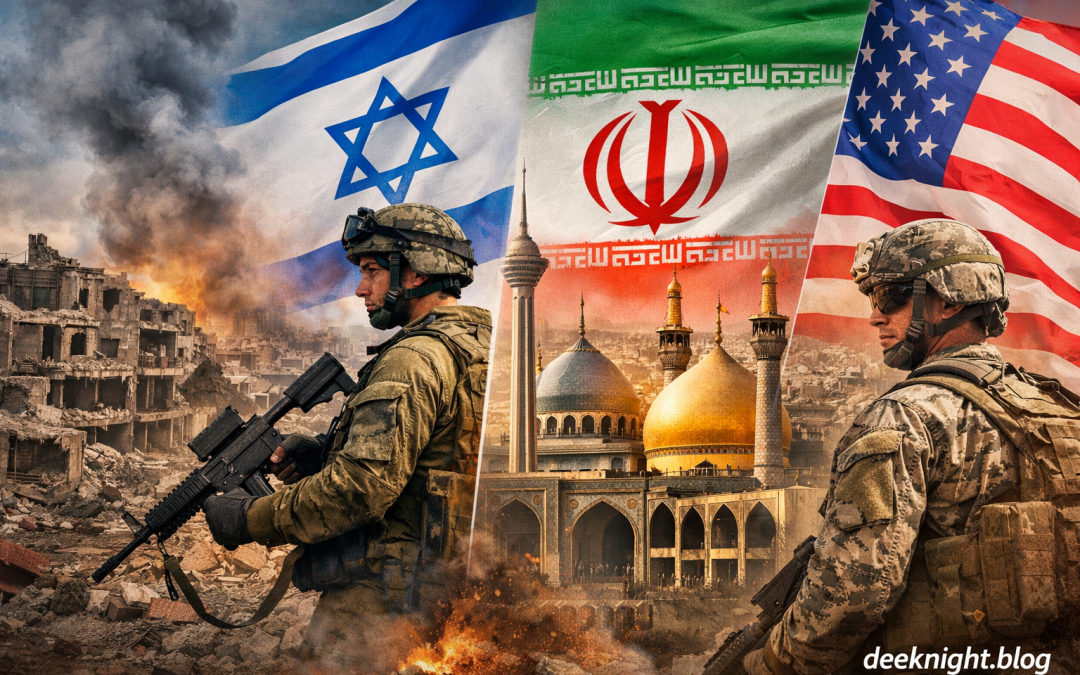
The current politics of the world is still being influenced by the conflicts in the Middle East and other regions. The fights between Gaza and Israel, the United States and Iran are not a one-off. They belong to a greater geopolitical game of power, influence, resources and ideology.
These conflicts are addressed in the platform Real Path to Peace with the help of historical context and political analysis. It is aimed at grasping the actual causes of war and finding the ways of constructing a more peaceful world in a realistic manner.
The key conflicts that are addressed in this article and the question is the question that is broader: Is a realistic path to peace possible?
Israel and Palestine Crisis and the Gaza Conflict.
Historical Background
The Palestine-Israel war is one of the longest geopolitical wars in contemporary history.
The tensions are mainly based on the conflicting land claims, population displacement, and several decades of political and military conflict.
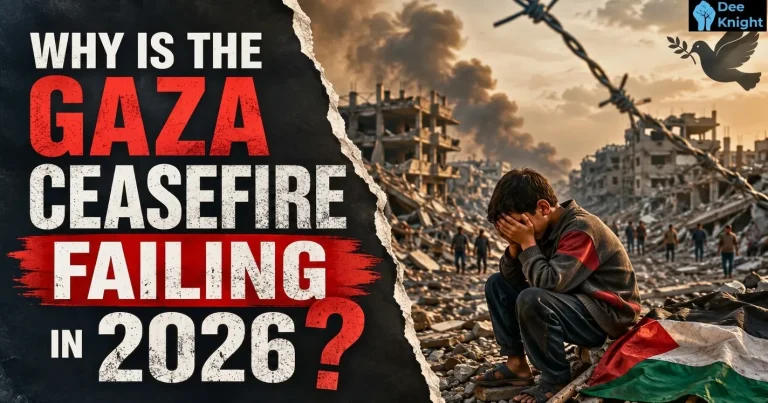
Gaza Strip has turned out to be the hub of humanitarian and military crises whereby the battles that take place between the Israeli forces and Palestinian groups often result in massive violence.
The 2023 Gaza war exacerbated the war as it provoked protests, humanitarian issues, and diplomatics in the world.
Recommended Stories
If you want to explore more insights on global conflicts, peace, and geopolitics, check out these previous analyses from Deeknight.blog:
- From Gaza to Tehran: Lessons from the 2026 Middle East Crisis and Vietnam for Global Peace – An in-depth comparison of the 2026 Middle East conflicts with lessons from Vietnam, highlighting strategies for sustainable peace.
- The Next Stage of the Gaza Genocide Has Begun – Detailed analysis of the unfolding humanitarian crisis in Gaza and its global implications.
- Israel’s Blockade on Gaza: A Humanitarian Crisis Under International Law – Examines the legal and humanitarian aspects of the ongoing Gaza blockade.
- How Imperialism Shapes Modern Wars – Lessons from History and Literature – Explores how historical and modern imperialism affects current conflicts worldwide.
- Is Peace Possible in the Middle East? A Realistic Path After the Gaza War – Offers a roadmap for achieving long-term peace in the region using historical and diplomatic perspectives.
Humanitarian Effect of Gaza War.
It has been observed that the humanitarian situation in Gaza is one of the worst times in the contemporary world.
Key impacts include:
- Amazing numbers of deaths among civilians.
- Razing of property and facilities.
- Restrained food, water and medical accessibility.
- Millions of displaced individuals.
The crisis has attracted the interest of the international community and created the debate on international law, war crimes, and human rights.
The Part played by the United States in the Middle East Wars.
Over the decades, the United States has had a significant influence on Middle Eastern geopolitics.
Most observers state that the U. S foreign policy has contributed to the regional conflicts by:
- Military alliances
- Arms sales
- Military interventions
- Diplomatic pressure
Goodwill towards Israel and hostilities with Iran have played a central role in influencing the balance of power in the region.
Based on analyses given on Real Path to Peace, it is important to understand these policies so that one can appreciate the reasons why conflicts end up escalating rather than being solved.
The Growing Regional War Iranians and the Expanding Regional War.
Another important subject is the role of Iran in the Middle East.
Iran is a participant in various regional forces such as:
- The back-up of different political and military groups.
- Competition with Israel on a strategic basis.
- Continuing strains with the United States.
Such tensions have led to the fear that internal conflicts in the region might end up being full-scaled international wars.
International Military Interactions Outside the Middle East.
The Middle East is not the only topic of the Real Path to Peace platform. It also looks at tensions that are happening across the world and they include:
- Russia
- China
- Ukraine
Such conflicts are at times referred to as a new Cold War whereby the world powers are in a political, economic and military tussle.
The concepts about these global tensions can help to understand how a regional war may develop into an international crisis in a short period.
Imperialism, Global Power Politics.
Imperialism is one of the key topics that are addressed in Real Path to Peace.
Imperialism is the act whereby the strong nations impose their will on the weak ones either politically, economically or militarily.
Most observers claim that new wars can be characterized by:
- Control of resources
- Military tactical positioning.
- International business rivalry.
Researchers study these factors in order to find the underlying causes of the modern wars.
Media Discourses and World Propaganda.
The other concern of the media is the way in which global conflicts are being represented.
Conflicts in various countries may be manifested differently based on the political interests of the countries.
For example:
- The security issues of Israel are highlighted by the Western media.
- Other foreign press can pay more attention to the humanitarian situation in Gaza.
- The knowledge of these stories allows the readers to become more critical of the processes in the world.
Is There a Real Way to Peace?
Although conflict between the two sides has been experienced over the decades, peace activists still believe that peaceful solutions can still be achieved.
To achieve a realistic road to peace may need:
1. Diplomacy rather than Military Blowout.
Long-term solutions involve negotiation and diplomacy as the best.
2. International Cooperation
International bodies need to be more active when it comes to conflict management.
3. Addressing Root Causes
Peace operations should be focused on solving the roots of conflict such as inequality, political oppression, and territorial conflict.
4. Public Awareness
Due to misinformation, educating people on the subject of geopolitics will help to promote peaceful negotiations.
The Role of Peace Movements
In the world, peace movements have been very relevant in the historical past in terminating wars.
Examples include:
- Anti-Vietnam War protests
- Disarmament campaigns Nuclear disarmament
- Humanitarian organizations of other countries.
Activists are of the opinion that governments can be pressured by the people to act diplomatically as opposed to going to war.
Conclusion
The wars with Gaza, Israel, Iran, and international forces are one of the most complicated issues in the context of geopolitics nowadays.
Websites such as Real Path to Peace are intended to offer analysis and discourse that will allow the general populace to get past headlines and political rhetoric to comprehend these conflicts.
Peace may not be easy to obtain, however, experience demonstrates that it is possible to obtain peace in the end through dialogue and diplomacy, as well as through international collaboration.
The way to peace can be long and difficult–the second step is to know what war is all about–then we will know how to avoid it.
FAQs
- What is the Gaza conflict about?
The Gaza conflict involves territorial disputes and recurring clashes between Israel and Palestinian groups. - How does the United States influence Middle East conflicts?
The US shapes the region through military support, alliances, and foreign policy decisions. - Why is Iran a major factor in regional tensions?
Iran’s political and military involvement affects Israel, Gaza, and US relations in the Middle East. - How does imperialism impact modern wars?
Power struggles, resource control, and global influence often drive contemporary conflicts. - Is achieving peace in the Middle East realistic?
Diplomacy, addressing root causes, and international cooperation can lead to sustainable peace.